

More than 90 percent of thyroid nodules found in adults are benign. Ultrasound picks them up in 20 to 76 percent of adults, most of whom have no symptoms at all. Four tests decide which of them needs anything done.
More than 90 percent of thyroid nodules found in adults are not cancer.
A nodule is an unusual lump of cells on the thyroid gland. Most are too small to feel. Most people find out about theirs from a scan ordered for something else.
Here are the four tests that sort a harmless nodule from one that needs attention. Then the neck symptoms that change the answer, and why most of them end in watchful waiting.
Four Tests That Sort a Nodule Out
Cleveland Clinic lists four tests a provider may order to evaluate a thyroid nodule. Most people never reach the last one.
The reason for any of it is the small chance a nodule is cancer. That is why nearly every nodule gets checked. It is also why nearly none of them turn out to matter.
- A thyroid blood test. This checks the level of thyroid hormone in your blood. Cleveland Clinic notes the levels are usually normal even when nodules are present, but an abnormal result points at thyroid disease.
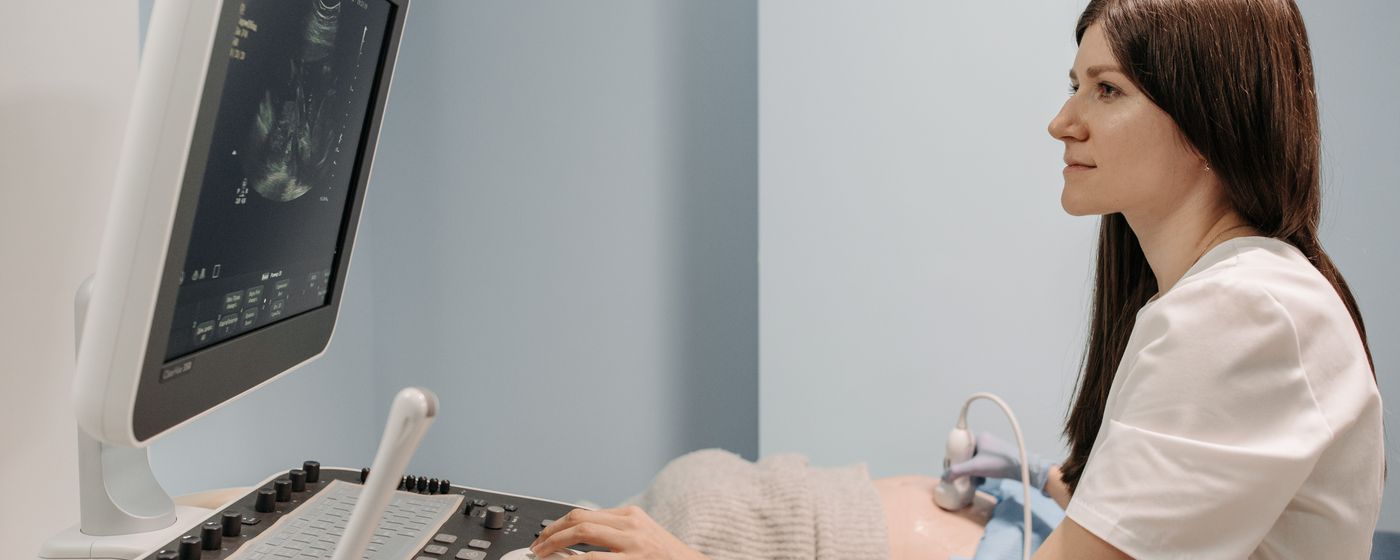
- An ultrasound. Sound waves show whether the nodule is solid or a fluid filled cyst, and cancer risk is higher in solid nodules. Johns Hopkins Medicine says ultrasound is almost always performed, and what it finds decides whether anything else is needed.
- A fine needle biopsy. A very thin needle takes a sample of cells for a laboratory to read. Johns Hopkins calls it the best way to determine whether a nodule is benign or cancerous, and adds that it is not always necessary.
- A thyroid uptake scan. You swallow a small amount of radioactive iodine, and your provider measures how much the nodule absorbs compared with normal thyroid tissue. It adds information about how likely cancer is.
Notice the order. Blood and sound waves come first, and both are painless.
The needle only enters the picture when the ultrasound gives a reason for it.
How Common They Are, and Who Gets Them
Nodules turn up on physical examination in about 5 to 7 percent of adults. Ultrasound imaging finds them in 20 to 76 percent.
Johns Hopkins Medicine puts the lifetime figure higher still, at up to two thirds of Americans.
They are about four times more common in women than in men. The odds rise with age.
Cleveland Clinic lists the other risk factors. Past thyroid radiation. A family history of nodules or thyroid cancer. Iron deficiency anemia. Smoking, obesity and alcohol.
Thyroid nodules are quite common in adults and may be found in up to two-thirds of Americans over the course of their lifetime.
Take the four tests with you
One printable sheet: the four tests in order, the questions to ask, the neck symptoms that change the answer, and what watch and wait means. Free, unlocked right here.
Enter your email to unlock your plan
Your 1-page thyroid nodule plan, unlocked right here.
Your plan is ready
Download or print it below. Save it anywhere.
⬇ Download your plan (PDF)The Neck Symptoms That Change the Answer
Most nodules cause no symptoms at all. The ones that do are usually the large ones, and the symptoms come from pressure rather than from cancer.
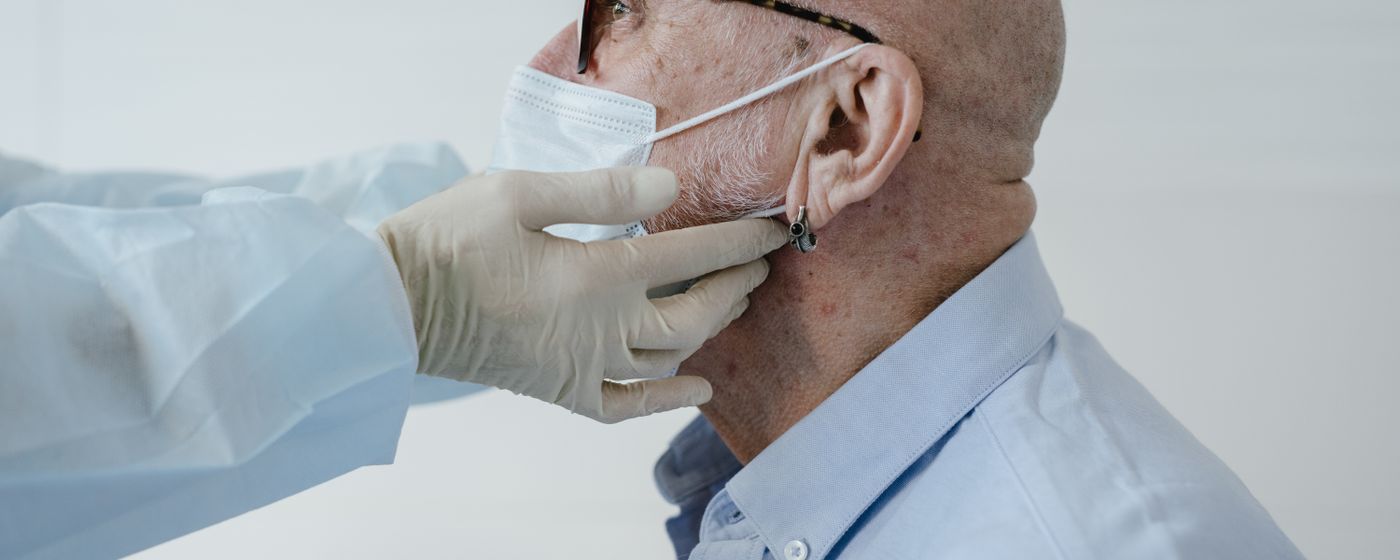
Mayo Clinic lists three. Swelling at the base of the neck. Pressure on the windpipe, which causes shortness of breath. Pressure on the tube to the stomach, which makes it hard to swallow.
A small number of nodules make extra thyroid hormone. Mayo Clinic lists the signs. Weight loss you cannot explain. More sweating. Tremor. Feeling nervous. A fast or irregular heartbeat.
Mayo says to see a healthcare professional right away if you see swelling in your neck, especially if it affects breathing or swallowing. That is the one line in this article that is not about reassurance.
Three Thyroid Nodule Fears Worth Retiring
Three corrections worth carrying to the appointment.
A lump in the neck probably means cancer. More than 90 percent of detected nodules in adults are benign. Cleveland Clinic puts thyroid cancer at less than 6.5 percent of all nodules. The lump still needs checking, because the small chance is real and earlier is better. But the odds sit heavily on your side.
If a nodule is found, it has to come out. Most of them are watched instead. Cleveland Clinic's first listed treatment option is no treatment, with regular checks for change. Johns Hopkins says watching with regular follow up is sometimes all that is needed. Surgery is for nodules that are cancerous, suspicious, or large enough to block.
Nodules are why I am tired and gaining weight. Usually not. Cleveland Clinic says hormone levels are usually normal even in people who have nodules. Only about 1 percent of benign nodules go on to cause thyroid disease. One blood draw settles it.
To your health,
Ageless Coach
Age Strong. Live Long.
This article is education, not medical advice. Swelling in the neck that affects your breathing or swallowing, or a nodule that is large, hard or painful, needs a healthcare professional rather than watching at home.