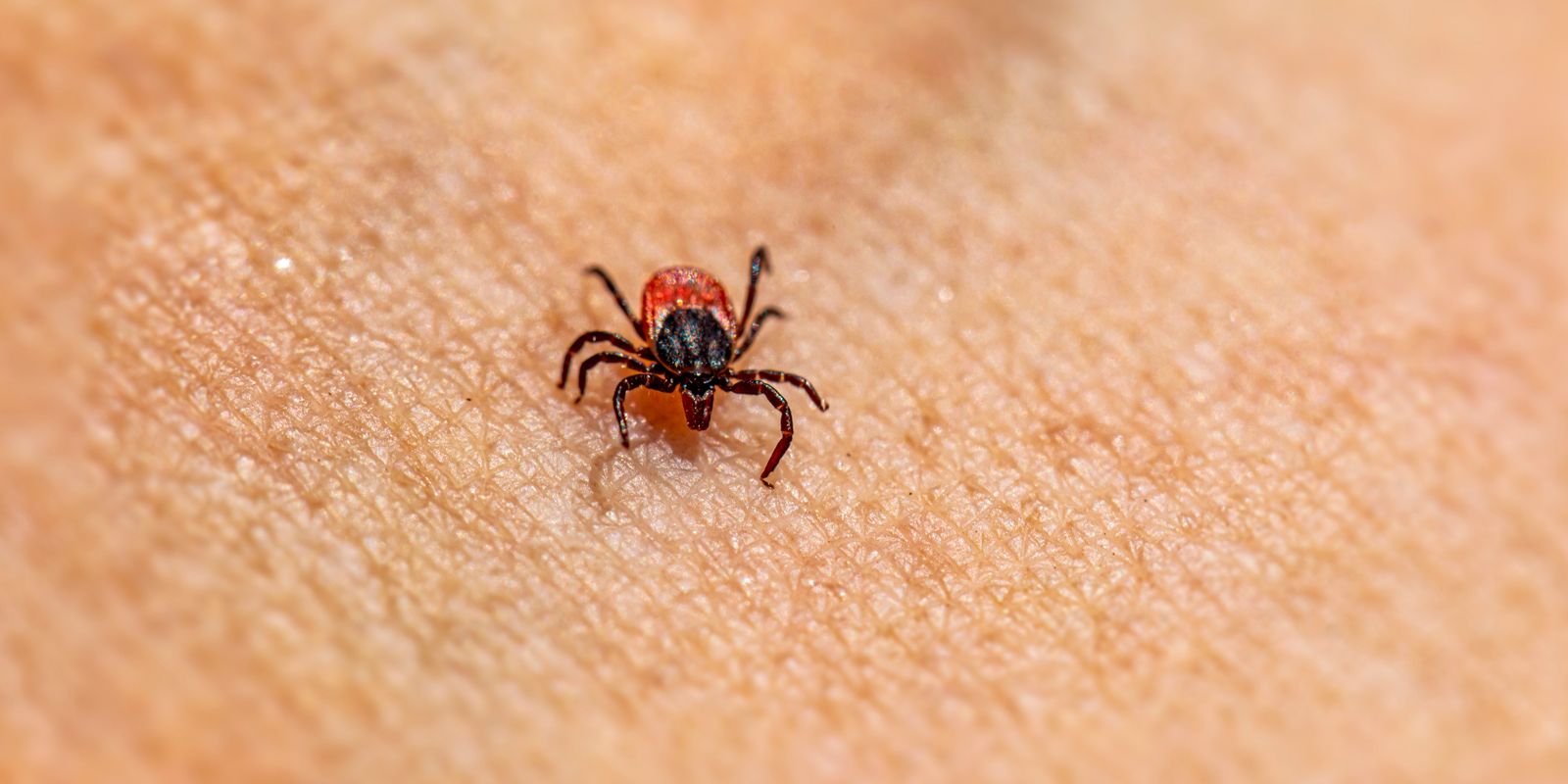
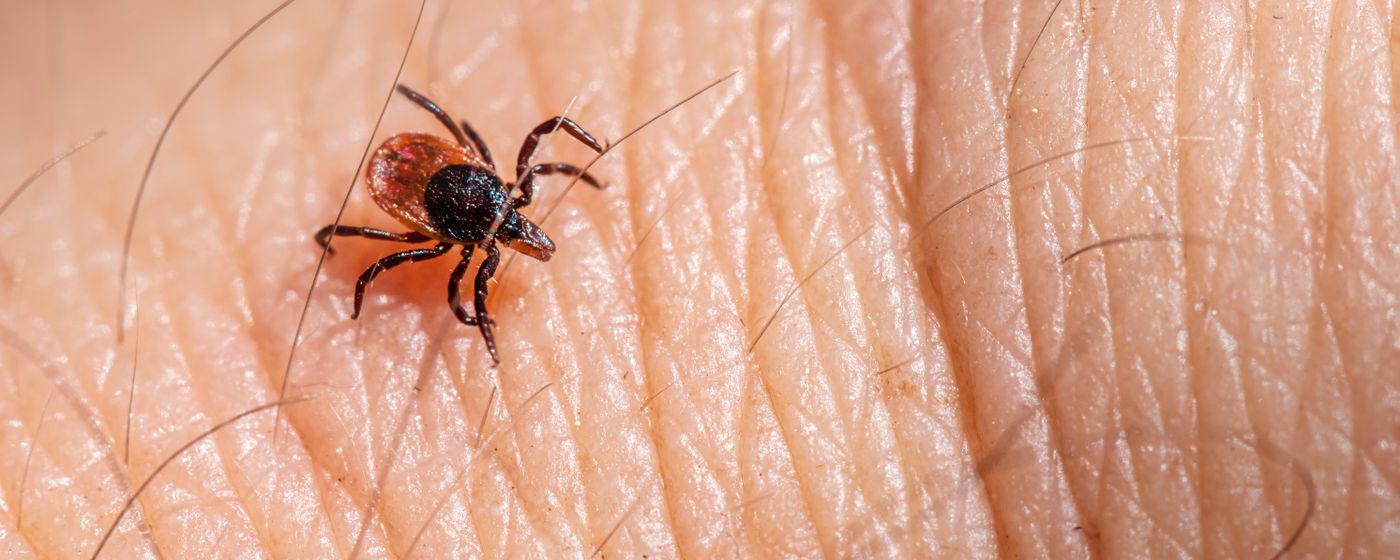
<style>:root{--dark-base:#0D1B2A;--dark-mid:#1B3A4B;--teal:#0EA5A0;--teal-dark:#0C8C88;--teal-bright:#14D4CD;--fog:#D8E8E8;--deep-fog:#C8DCDC;--fog-border:#A8C4C4;--ink:#313743;--ink-soft:#49505f;--muted:#6b7280;--warm:#9A6841;--warm-light:#be7b4c;--serif:"Source Serif 4",Georgia,serif;--sans:Inter,-apple-system,BlinkMacSystemFont,"Segoe UI",sans-serif}.acv-root .acv-dek{font:500 19px/1.55 var(--sans);color:var(--ink-soft);margin:0 0 14px}.acv-root .acv-dek b{color:var(--teal-dark)}.acv-root .acv-meta{font:600 13px/1.6 var(--sans);color:var(--muted);margin:14px 0 0;text-align:center}.acv-root .acv-meta .acv-chk{color:var(--teal-dark)}.acv-root .acv-glance{background:linear-gradient(180deg,#F0F7F7,#fff);border:1.5px solid var(--fog-border);border-radius:14px;padding:22px 24px;margin:24px 0 0}.acv-root .acv-glance .acv-gt{font:800 12px/1 var(--sans);letter-spacing:2.5px;text-transform:uppercase;color:var(--teal-dark);margin-bottom:14px}.acv-root .acv-glance .acv-item{font:500 15.5px/1.55 var(--sans);color:var(--ink-soft);padding:0 0 10px 26px;position:relative}.acv-root .acv-glance .acv-item:before{content:"";position:absolute;left:2px;top:7px;width:8px;height:8px;border-radius:50%;background:var(--teal)}.acv-root .acv-glance .acv-item b{color:var(--ink)}.acv-root .acv-glance .acv-s{color:var(--muted);font-size:12.5px}.acv-root .acv-body{margin-top:30px}.acv-root .acv-body p{font-size:20.5px;line-height:1.75;margin:0 0 24px;color:var(--ink-soft)}.acv-root .acv-body p strong{color:var(--ink)}.acv-root .acv-body a{color:var(--teal-dark);font-weight:700;text-decoration:underline;text-decoration-color:rgba(14,165,160,.4);text-underline-offset:3px}.acv-root .acv-dropcap:first-letter{font-family:var(--serif);font-size:64px;font-weight:800;color:var(--dark-mid);float:left;line-height:.9;padding:6px 10px 0 0}.acv-root mark{background:linear-gradient(180deg,transparent 55%,rgba(20,212,205,.35) 55%);color:inherit;padding:0 2px}.acv-root .acv-band{margin:56px 0 24px;padding:26px 22px 12px;background:linear-gradient(180deg,#F0F7F7,#fff);border-radius:16px}.acv-root .acv-band.acv-hype{background:linear-gradient(180deg,#FAF3EB,#fff)}.acv-root .acv-band .acv-inner{display:flex;gap:18px;align-items:center}.acv-root .acv-band .acv-big{font:900 64px/1 var(--sans);color:var(--deep-fog);flex-shrink:0}.acv-root .acv-band.acv-hype .acv-big{color:#EAD9C6}.acv-root .acv-band .acv-q{font:700 13px/1.4 var(--sans);letter-spacing:2px;text-transform:uppercase;color:var(--teal-dark);margin-bottom:6px}.acv-root .acv-band.acv-hype .acv-q{color:var(--warm)}.acv-root .acv-band h3{font-family:var(--serif);font-size:31px;line-height:1.2;font-weight:800;color:var(--ink);margin:0}.acv-root .acv-billboard{background:var(--dark-mid);border-radius:18px;color:#fff;padding:30px 28px;margin:32px 0;text-align:center}.acv-root .acv-billboard .acv-n{font:900 34px/1.2 var(--sans);color:var(--teal-bright);margin-bottom:8px}.acv-root .acv-billboard .acv-d{font:500 16px/1.55 var(--sans);color:#D4E5E5;max-width:480px;margin:0 auto}.acv-root .acv-billboard .acv-c{font:600 12px/1 var(--sans);letter-spacing:1.5px;text-transform:uppercase;color:#8FB3B3;margin-top:12px}.acv-root figure{margin:32px 0}.acv-root figure img{width:100%;border-radius:16px;display:block}.acv-root figcaption{font:600 13.5px/1.5 var(--sans);color:var(--muted);margin:10px 0 0;text-align:center}.acv-root .acv-pullquote{margin:34px 0;text-align:center;padding:0 10px}.acv-root .acv-pullquote p{font-family:var(--serif);font-size:27px;line-height:1.4;color:var(--dark-mid);font-weight:700;margin:0 0 10px}.acv-root .acv-pullquote .acv-who{font:700 12px/1 var(--sans);letter-spacing:2px;text-transform:uppercase;color:var(--warm)}.acv-root .acv-plan{background:linear-gradient(135deg,#fffcf4 0%,#fff8ed 100%);border-left:5px solid var(--teal-dark);border-radius:14px;padding:30px 26px 24px;margin:40px 0 0;box-shadow:0 2px 12px rgba(0,0,0,.06)}.acv-root .acv-plan .acv-ptitle{display:flex;align-items:center;gap:12px;font-family:var(--serif);font-size:26px;font-weight:800;color:var(--ink);margin-bottom:24px}.acv-root .acv-plan .acv-ptitle .acv-ico{font-size:24px;color:var(--teal-dark)}.acv-root .acv-plan .step{display:flex;gap:16px;margin-bottom:20px;align-items:flex-start}.acv-root .acv-plan .acv-n{min-width:38px;width:38px;height:38px;background:var(--teal-dark);border-radius:50%;color:#fff;font:800 17px/38px var(--sans);text-align:center;flex-shrink:0}.acv-root .acv-plan .sh{font:800 16.5px/1.4 var(--sans);color:var(--ink);margin-bottom:3px}.acv-root .acv-plan .sd{font:400 15px/1.6 var(--sans);color:var(--muted)}.acv-root .acv-plan .acv-pdiv{height:1px;background:#E4DECE;margin:26px 0 22px}.acv-root .acv-calbar{display:flex;align-items:center;justify-content:center;gap:12px;width:100%;background:linear-gradient(90deg,var(--teal-dark),var(--teal));color:#fff;border:none;border-radius:12px;padding:17px 20px;font:700 16px/1.3 var(--sans);cursor:pointer;position:relative;box-shadow:0 4px 14px rgba(12,140,136,.25)}.acv-root .acv-calbar i{font-family:var(--serif);font-style:italic;font-weight:600}.acv-root .acv-calbar .acv-qm{position:absolute;right:14px;top:50%;transform:translateY(-50%);width:26px;height:26px;border-radius:50%;background:rgba(255,255,255,.22);font:700 14px/26px var(--sans);text-align:center}.acv-root .acv-opsrow{display:grid;grid-template-columns:repeat(4,1fr);gap:12px;margin-top:14px}@media(max-width:640px){.acv-root .acv-opsrow{grid-template-columns:1fr 1fr}}.acv-root .acv-opsrow button{display:flex;align-items:center;justify-content:center;gap:8px;background:#fff;border:1.5px solid var(--teal);color:var(--teal-dark);border-radius:50px;padding:13px 10px;font:700 14px/1 var(--sans);cursor:pointer;transition:background .15s}.acv-root .acv-opsrow button:hover{background:#F0FAFA}.acv-root .acv-capture{background:linear-gradient(135deg,var(--dark-base),var(--dark-mid));border-radius:18px;padding:32px 30px;margin:50px 0 56px;color:#fff;position:relative;overflow:hidden;box-shadow:0 16px 40px rgba(13,27,42,.25)}.acv-root .acv-cap-grid{display:grid;grid-template-columns:1fr 200px;gap:26px;align-items:center}@media(max-width:600px){.acv-root .acv-cap-grid{grid-template-columns:1fr}.acv-root .acv-chartcard{display:none}}.acv-root .acv-capture h4{font-family:var(--serif);font-size:26px;font-weight:800;margin:0 0 8px}.acv-root .acv-capture .acv-sub{font:500 15.5px/1.55 var(--sans);color:#C9DDDD;margin:0 0 18px}.acv-root .acv-chartcard{background:#fff;border-radius:8px;padding:14px 13px 12px;box-shadow:0 12px 32px rgba(0,0,0,.38);transform:rotate(2deg)}.acv-root .acv-chartcard .acv-ch-mast{font-family:var(--serif);font-weight:800;font-size:11px;color:var(--dark-base);letter-spacing:.4px;border-bottom:3px solid var(--dark-base);padding-bottom:5px}.acv-root .acv-chartcard .acv-ch-sub{font:800 5.5px/1.4 var(--sans);color:var(--muted);letter-spacing:.8px;margin:4px 0 8px}.acv-root .acv-chartcard .acv-ch-cols{display:grid;grid-template-columns:1fr 1fr;gap:8px}.acv-root .acv-chartcard .acv-ch-h{font:900 7.5px/1 var(--sans);letter-spacing:1px;border-radius:3px;padding:4px 5px;margin-bottom:5px;color:#fff}.acv-root .acv-chartcard .acv-ch-h.acv-ok{background:#2E7D5B}.acv-root .acv-chartcard .acv-ch-h.acv-no{background:#B4533A}.acv-root .acv-chartcard .acv-ch-row{height:9px;border-radius:2px;margin:4px 0}.acv-root .acv-chartcard .acv-ch-row.acv-ok{background:#E3F0E9}.acv-root .acv-chartcard .acv-ch-row.acv-no{background:#F6E7E1}.acv-root .acv-chartcard .acv-ch-row.acv-short{width:70%}.acv-root .acv-chartcard .acv-ch-band{height:16px;border-radius:3px;background:var(--fog);margin-top:9px}.acv-root .cap-state{display:none}.acv-root .acv-capture[data-state="trigger"] .st-trigger{display:block}.acv-root .acv-capture[data-state="form"] .st-form{display:block}.acv-root .acv-capture[data-state="sent"] .st-sent{display:block}.acv-root .acv-bigbtn{display:inline-flex;align-items:center;gap:10px;background:var(--teal-bright);color:var(--dark-base);border:none;border-radius:50px;padding:16px 28px;font:800 15.5px/1 var(--sans);cursor:pointer;box-shadow:0 6px 20px rgba(20,212,205,.35)}.acv-root .acv-fine{font:500 12px/1.5 var(--sans);color:#7FA3A3;margin-top:12px}.acv-root .capform{display:flex;gap:10px;max-width:440px}@media(max-width:520px){.acv-root .capform{flex-direction:column}}.acv-root .capform input{flex:1;border:none;border-radius:50px;padding:14px 20px;font:500 15px/1 var(--sans)}.acv-root .capform button{background:var(--teal-bright);color:var(--dark-base);border:none;border-radius:50px;padding:14px 24px;font:800 14px/1 var(--sans);cursor:pointer}.acv-root .acv-sent-check{width:52px;height:52px;border-radius:50%;background:var(--teal-bright);color:var(--dark-base);font:800 26px/52px var(--sans);margin-bottom:12px}.acv-root .dl{display:inline-block;margin-top:6px;color:var(--teal-bright);font:700 15px/1 var(--sans);text-decoration:underline;text-underline-offset:3px;cursor:pointer}.acv-root .acv-sig{margin-top:36px}.acv-root .acv-sig .acv-toyour{font-family:var(--serif);font-size:17px;font-style:italic;color:#777;margin:0 0 8px;padding-left:38px}.acv-root .acv-sig .acv-row{display:flex;align-items:center;gap:10px}.acv-root .acv-sig .acv-glyph{width:30px;height:30px;flex-shrink:0}.acv-root .acv-sig .acv-name{font-family:var(--serif);font-size:24px;font-weight:700;margin:0;color:var(--ink)}.acv-root .acv-sig .acv-tag{font:700 11px/1 var(--sans);color:var(--warm-light);letter-spacing:2.5px;text-transform:uppercase;margin:6px 0 0 40px}.acv-root .acv-trust{margin-top:30px;padding-top:22px;border-top:1px solid #e5e7eb;text-align:center}.acv-root .acv-trust .acv-t{font:700 13px/1 var(--sans);color:var(--muted);letter-spacing:2px;text-transform:uppercase;margin-bottom:16px}.acv-root .acv-trust a{display:inline-block;background:#fff;border:1.5px solid var(--warm);color:var(--warm);padding:8px 20px;border-radius:20px;font:600 14px/1 var(--sans);text-decoration:none;margin:0 4px 8px}.acv-root .acv-body p.acv-disclaimer{font-family:var(--serif);font-size:16px;font-style:italic;color:#999;margin:24px 0 0;line-height:1.5;text-align:center}.acv-root .acv-faq{margin-top:40px;border-top:1px solid #e5e7eb;padding-top:30px}.acv-root .acv-faq h2{font-family:var(--serif);font-size:23px;font-weight:800;margin:0 0 18px}.acv-root .acv-faq details{border:1px solid #e5e7eb;border-radius:10px;margin-bottom:10px;overflow:hidden}.acv-root .acv-faq summary{padding:15px 18px;font:700 16px/1.4 var(--sans);cursor:pointer;list-style:none;display:flex;justify-content:space-between;gap:12px;align-items:center}.acv-root .acv-faq summary:after{content:"\25BE";color:var(--warm)}.acv-root .acv-faq .acv-a{padding:0 18px 16px;font-size:17px;line-height:1.65;color:#555}.acv-root .acv-secondary{margin-top:26px;background:#fff;border:1.5px dashed var(--fog-border);border-radius:12px;padding:18px 20px;text-align:center;font:500 15px/1.6 var(--sans);color:var(--ink-soft)}.acv-root .acv-secondary a{color:var(--teal-dark);font-weight:700}.acv-root .acv-body ol.acv-signlist{list-style:none;margin:0 0 24px;padding:0;counter-reset:sgn}.acv-root .acv-body ol.acv-signlist li{position:relative;padding:0 0 15px 48px;font-size:19px;line-height:1.6;color:var(--ink-soft);counter-increment:sgn}.acv-root .acv-body ol.acv-signlist li:before{content:counter(sgn);position:absolute;left:0;top:1px;width:32px;height:32px;border-radius:50%;background:var(--teal-dark);color:#fff;font:800 15px/32px var(--sans);text-align:center}.acv-root .acv-body ol.acv-signlist li b{color:var(--ink)}.acv-root .acv-opsrow{grid-template-columns:repeat(3,1fr)}@media(max-width:640px){.acv-root .acv-opsrow{grid-template-columns:1fr 1fr}}</style><div class="acv-root"><p class="acv-dek">A tick is attached. What you do in the next few minutes matters more than any gadget or home trick. Here are the <b>5 steps</b>, straight from the CDC, and the 2 signs that mean call your doctor.</p><p class="acv-meta">Ageless Coach Editorial Team · August 20, 2026</p><div class="acv-glance"><div class="acv-gt">In 30 Seconds</div><div class="acv-item"><b>Remove the tick as soon as you find it.</b> Waiting for a doctor to do it can raise your risk of tickborne disease. <span class="acv-s">CDC</span></div><div class="acv-item"><b>Plain tweezers, steady and even.</b> No twisting, no petroleum jelly, no heat, no nail polish. <span class="acv-s">CDC</span></div><div class="acv-item"><b>Watch for a rash or fever</b> for several weeks afterward. Either one means see your doctor. <span class="acv-s">CDC</span></div></div><div class="acv-body"><p class="acv-dropcap">A plain set of tweezers beats every gadget and home trick invented for this job. The CDC's advice for an attached tick is almost boring: remove it as soon as possible, the right way, then pay attention for a few weeks.</p><p>That is the whole game. <mark>Speed and steadiness beat every clever trick.</mark></p><p>Ticks can be as small as a poppy seed, and you often will not feel the bite at all. <strong>Here are the five steps.</strong></p><div class="acv-band"><div class="acv-inner"><div class="acv-big">1</div><div><div class="acv-q">The Steps</div><h3>Five Steps, and the Order Matters</h3></div></div></div><p>These come straight from the <a href="https://www.cdc.gov/ticks/after-a-tick-bite/index.html" target="_blank" rel="noopener">CDC</a> page on what to do after a tick bite. Read them once now, not with a tick on your leg.</p><ol class="acv-signlist"><li><b>Grasp the tick close to the skin.</b> Use clean fine-tipped tweezers. Regular tweezers or your fingers work if that is all you have.</li><li><b>Pull straight out with steady, even pressure.</b> No twisting or jerking. That can leave the mouthparts in your skin.</li><li><b>Dispose of it safely.</b> Sealed container, wrapped in tape, in alcohol, or down the toilet. Never crush it with your fingers.</li><li><b>Clean the bite and your hands.</b> Soap and water, rubbing alcohol, or hand sanitizer.</li><li><b>Check your whole body.</b> One attached tick means there may be others. Scalp, ears, armpits, groin, behind the knees, waistline.</li></ol><div class="acv-billboard"><div class="acv-n">About 476,000</div><div class="acv-d">people may be diagnosed and treated for Lyme disease in the United States each year. Reported cases are only part of the picture.</div><div class="acv-c">Source: CDC</div></div><p>Before the tick goes in the trash, take a photo. A picture helps your provider identify the tick and judge your risk if you get sick.</p><p>Note whether it was flat or rounded. A rounded tick has been feeding longer, and that changes your risk.</p><p>If the mouthparts break off, do not dig. Your skin will push them out as it heals. If tweezers cannot lift them easily, leave them alone.</p><div class="acv-band"><div class="acv-inner"><div class="acv-big">2</div><div><div class="acv-q">Why No Tricks</div><h3>Why the Old Home Tricks Backfire</h3></div></div></div><p>Petroleum jelly. A hot match. Nail polish. Every one is off the table. <a href="https://www.mayoclinic.org/first-aid/first-aid-tick-bites/basics/art-20056671" target="_blank" rel="noopener">Mayo Clinic</a> says experts do not recommend any of them.</p><p>The CDC explains why: agitating the tick can force infected fluid from the tick into your skin. <mark>The trick meant to help does the opposite.</mark></p><figure><img src="https://images.pexels.com/photos/18554281/pexels-photo-18554281.jpeg?auto=compress&cs=tinysrgb&w=1400&h=560&fit=crop" alt="Close-up of a tick crawling on a person's skin"><figcaption>Ticks are small and easy to miss. Finding one attached is usually the first clue you were bitten.</figcaption></figure><div class="acv-pullquote"><p>Do not wait to go to a healthcare provider to remove the tick.</p><div class="acv-who">CDC</div></div><p>Tick testing kits are the other tempting detour. The CDC recommends against them: results should not be used for treatment decisions, and a negative result can be false assurance.</p><p>If you were infected, symptoms usually appear before a tick test result would arrive anyway.</p><div class="acv-capture ac-capture" data-state="trigger" id="cap" data-article-slug="tick-bite-5-steps-to-take-now-and-2-signs-that-mean-call-your-doctor" data-pdf-url="https://cdn.prod.website-files.com/69be1026a027224999b7936b/6a8704f3b920301896c5b3fa_ac-tick-bite-action-chart.pdf" data-plan-title="The Tick Bite Action Sheet" data-plan-desc="All five removal steps, the do-not list, and the exact symptoms that mean call your doctor."><div class="st-trigger cap-state"><div class="acv-cap-grid"><div><h4>Take the 5 steps with you</h4><p class="acv-sub">One printable sheet: the five steps, the do-not list, and exactly when to call your doctor. Free, unlocked right here.</p><button class="acv-bigbtn" type="button" data-cap="form">📄 Print My Plan (Free PDF)</button><div class="acv-fine">Joins the free weekly Ageless Brief. Unsubscribe anytime.</div></div><div class="acv-chartcard" aria-hidden="true"><div class="acv-ch-mast">TICK BITE: WHAT TO DO</div><div class="acv-ch-sub">AGELESS COACH · CHECKED AGAINST CDC · MAYO · CLEVELAND CLINIC</div><div class="acv-ch-cols"><div class="acv-ch-col"><div class="acv-ch-h acv-ok">✓ DO THIS</div><div class="acv-ch-row acv-ok"></div><div class="acv-ch-row acv-ok acv-short"></div><div class="acv-ch-row acv-ok"></div><div class="acv-ch-row acv-ok acv-short"></div></div><div class="acv-ch-col"><div class="acv-ch-h acv-no">✗ DO NOT</div><div class="acv-ch-row acv-no"></div><div class="acv-ch-row acv-no acv-short"></div><div class="acv-ch-row acv-no"></div><div class="acv-ch-row acv-no acv-short"></div></div></div><div class="acv-ch-band"></div></div></div></div><div class="st-form cap-state"><h4>Enter your email to unlock your plan</h4><p class="acv-sub">Your 1-page tick bite action sheet, unlocked right here.</p><form class="capform"><input type="email" name="email" placeholder="Your email address" aria-label="Email address" required><button type="submit">Unlock My Plan (Free)</button></form><div class="acv-fine">No spam. One short evidence brief each week. Unsubscribe anytime.</div></div><div class="st-sent cap-state"><div class="acv-sent-check">✓</div><h4>Your plan is ready</h4><p class="acv-sub">Download or print it below. Save it anywhere.</p><a class="dl" href="https://cdn.prod.website-files.com/69be1026a027224999b7936b/6a8704f3b920301896c5b3fa_ac-tick-bite-action-chart.pdf" download>⬇ Download your plan (PDF)</a><div class="acv-fine">Your first Ageless Brief arrives this week: one study, translated, no hype.</div></div></div><div class="acv-band"><div class="acv-inner"><div class="acv-big">3</div><div><div class="acv-q">The Watch Window</div><h3>What to Watch For in the Weeks After</h3></div></div></div><p>Mark the date. If you develop a rash or a fever within several weeks of removing a tick, see your doctor. Tell them about the bite, when it happened, and where you likely picked up the tick.</p><p><a href="https://my.clevelandclinic.org/health/diseases/7234-tick-bites" target="_blank" rel="noopener">Cleveland Clinic</a> adds the worry list: a tick attached for several hours or longer, a rounded tick, a painful or blistering bite, or flu-like symptoms.</p><figure><img src="https://images.pexels.com/photos/13140285/pexels-photo-13140285.jpeg?auto=compress&cs=tinysrgb&w=1400&h=560&fit=crop" alt="Two people walking on a narrow path between tall grass"><figcaption>Ticks wait in tall grass and brush. Staying near the center of cleared paths lowers your exposure.</figcaption></figure><div class="acv-billboard"><div class="acv-n">Days to weeks</div><div class="acv-d">That is the window after a tick bite when a new rash or fever means see your doctor. Not just the first night.</div><div class="acv-c">Source: CDC</div></div><p>Most tick bites never turn into anything. And many tick-borne illnesses are treated with antibiotics, so a provider may start treatment before test results even come back.</p><div class="acv-band acv-hype"><div class="acv-inner"><div class="acv-big">✗</div><div><div class="acv-q">The Debunk</div><h3>The Four Tick Myths That Refuse to Die</h3></div></div></div><p><strong>Burn it off or smother it.</strong> No heat, no petroleum jelly, no nail polish. Any of them can push infected fluid into your skin.</p><p><strong>I would feel a tick bite.</strong> You often will not. Ticks are tiny, bury their heads in the skin, and can feed for hours or days unnoticed.</p><p><strong>Mail the tick in for testing.</strong> The CDC recommends against using tick tests for treatment decisions. Testing labs are not held to clinical standards.</p><p><strong>A leftover head means an emergency.</strong> It does not. The body pushes retained mouthparts out over time as the skin heals. If tweezers cannot lift them out easily, leave them alone.</p><div class="acv-plan ac-plan" id="coach-recommendations"><div class="acv-ptitle"><span class="acv-ico">📋</span>Your Coach's Recommendations</div><div class="step"><div class="acv-n">1</div><div><div class="sh">Build a five-minute tick kit today.</div><div class="sd">Fine-tipped tweezers, alcohol wipes, and a small sealed container. Keep it with the sunscreen, and bring it on trips to grassy or wooded places.</div></div></div><div class="step"><div class="acv-n">2</div><div><div class="sh">Make the after-outdoors check a habit.</div><div class="sd">In tick season, check scalp, ears, armpits, groin, behind the knees, and the waistline after time outside. Check your pets too. Ticks ride them indoors.</div></div></div><div class="step"><div class="acv-n">3</div><div><div class="sh">Mark the calendar after any bite.</div><div class="sd">Note the date of the bite. A new rash or fever within several weeks means see your doctor, and tell them when and where the bite happened.</div></div></div><div class="acv-pdiv"></div><button class="acv-calbar" type="button" data-ac-cal>📅 Add <i>Your Coach's Recommendations</i> to Your Calendar <span class="acv-qm">?</span></button><div class="acv-opsrow"><button type="button" data-ac-share>⇮ Share</button><button type="button" data-ac-savepdf>📄 Save PDF</button><button type="button" data-ac-print>🖨 Print</button></div></div><div class="acv-sig"><p class="acv-toyour">To your health,</p><div class="acv-row"><svg class="acv-glyph" viewBox="0 0 40 40" aria-hidden="true"><circle cx="20" cy="20" r="18" fill="none" stroke="#0D1B2A" stroke-width="3"/><path d="M13 28 L20 11 L27 28 M16 22 H24" fill="none" stroke="#0D1B2A" stroke-width="3" stroke-linecap="round" stroke-linejoin="round"/></svg><p class="acv-name">Ageless Coach</p></div><p class="acv-tag">Age Strong. Live Long.</p></div><div class="acv-trust"><div class="acv-t">Trusted Sources Behind This Article</div><a href="https://www.cdc.gov/ticks/after-a-tick-bite/index.html" target="_blank" rel="noopener">CDC</a><a href="https://www.mayoclinic.org/first-aid/first-aid-tick-bites/basics/art-20056671" target="_blank" rel="noopener">Mayo Clinic</a><a href="https://my.clevelandclinic.org/health/diseases/7234-tick-bites" target="_blank" rel="noopener">Cleveland Clinic</a></div><p class="acv-disclaimer">This article is education, not medical advice. If you develop a rash or fever after a tick bite, see your doctor.</p><div class="acv-faq"><h2>Frequently Asked Questions</h2><details><summary>How do I remove a tick that is attached to my skin?</summary><div class="acv-a">Grasp it as close to the skin as possible with clean fine-tipped tweezers, then pull straight out with steady, even pressure. Do not twist or jerk. Clean the bite area and your hands with soap and water, rubbing alcohol, or hand sanitizer afterward.</div></details><details><summary>Do I need to see a doctor after every tick bite?</summary><div class="acv-a">No. Remove the tick promptly and watch your health for several weeks. See your doctor if you develop a rash or a fever, and tell them when the bite happened and where you likely picked up the tick.</div></details><details><summary>What if the tick's head breaks off in my skin?</summary><div class="acv-a">Stay calm. Your body will naturally push the mouthparts out over time as the skin heals. You can try lifting them with tweezers, but if they do not come out easily, leave them alone rather than digging.</div></details><details><summary>Should I get the tick tested for Lyme disease?</summary><div class="acv-a">The CDC recommends against it. Testing labs are not held to clinical diagnostic standards, a positive does not mean you were infected, and a negative can be false assurance. If you get sick, treatment should not wait for a tick test.</div></details><details><summary>How long does a tick have to be attached to make me sick?</summary><div class="acv-a">Risk rises with attachment time. Cleveland Clinic advises seeing a provider if a tick was attached for several hours or longer, or if it looks rounded, which means it has already taken a blood meal.</div></details><details><summary>Can I prevent tick bites in the first place?</summary><div class="acv-a">Yes, mostly with habits. Use an EPA-approved repellent with DEET, picaridin, or IR3535, cover your skin in grassy or wooded areas, stay near the center of cleared paths, and do a tick check on yourself and your pets every day in tick season.</div></details></div><div class="acv-secondary">Wondering where you stand overall? <a href="/#assessment">Take the free 5-minute Healthspan Snapshot</a> and see your strongest and weakest of six dimensions.</div></div></div>