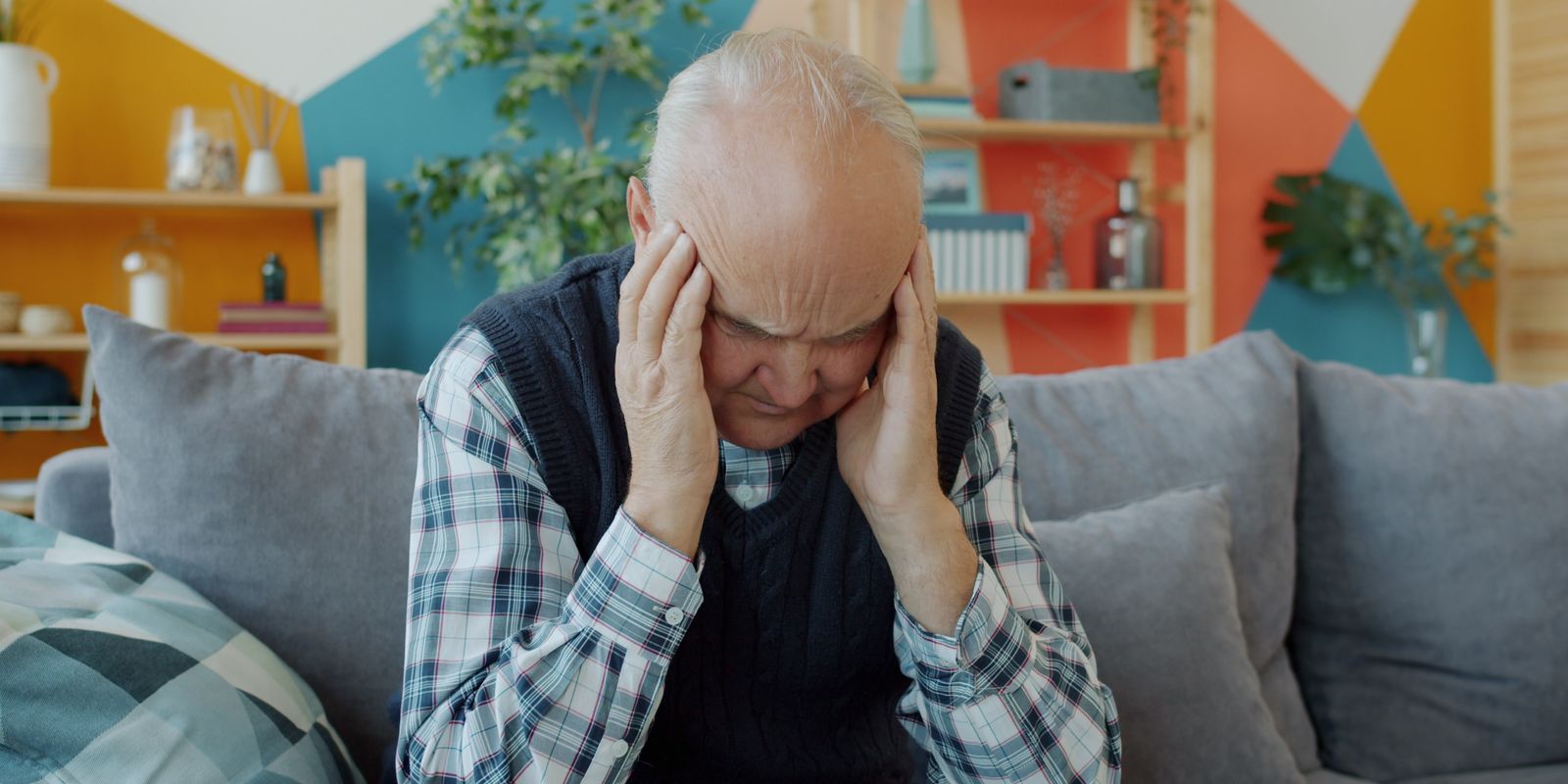
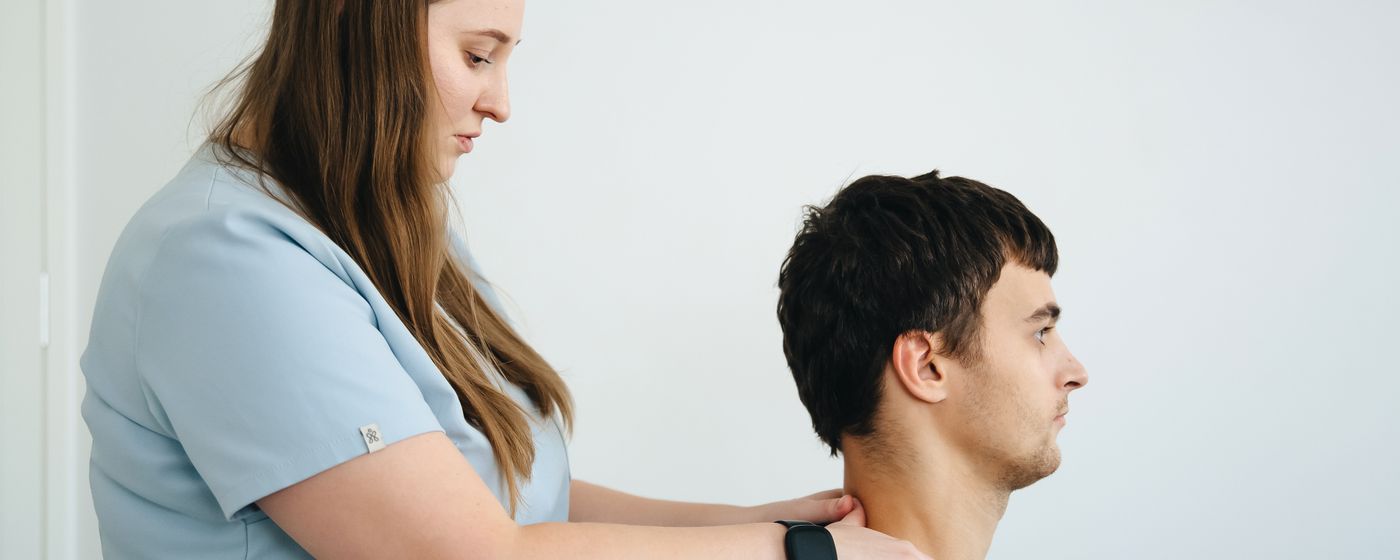
<style>:root{--dark-base:#0D1B2A;--dark-mid:#1B3A4B;--teal:#0EA5A0;--teal-dark:#0C8C88;--teal-bright:#14D4CD;--fog:#D8E8E8;--deep-fog:#C8DCDC;--fog-border:#A8C4C4;--ink:#313743;--ink-soft:#49505f;--muted:#6b7280;--warm:#9A6841;--warm-light:#be7b4c;--serif:"Source Serif 4",Georgia,serif;--sans:Inter,-apple-system,BlinkMacSystemFont,"Segoe UI",sans-serif}.acv-root .acv-dek{font:500 19px/1.55 var(--sans);color:var(--ink-soft);margin:0 0 14px}.acv-root .acv-dek b{color:var(--teal-dark)}.acv-root .acv-meta{font:600 13px/1.6 var(--sans);color:var(--muted);margin:14px 0 0;text-align:center}.acv-root .acv-meta .acv-chk{color:var(--teal-dark)}.acv-root .acv-glance{background:linear-gradient(180deg,#F0F7F7,#fff);border:1.5px solid var(--fog-border);border-radius:14px;padding:22px 24px;margin:24px 0 0}.acv-root .acv-glance .acv-gt{font:800 12px/1 var(--sans);letter-spacing:2.5px;text-transform:uppercase;color:var(--teal-dark);margin-bottom:14px}.acv-root .acv-glance .acv-item{font:500 15.5px/1.55 var(--sans);color:var(--ink-soft);padding:0 0 10px 26px;position:relative}.acv-root .acv-glance .acv-item:before{content:"";position:absolute;left:2px;top:7px;width:8px;height:8px;border-radius:50%;background:var(--teal)}.acv-root .acv-glance .acv-item b{color:var(--ink)}.acv-root .acv-glance .acv-s{color:var(--muted);font-size:12.5px}.acv-root .acv-body{margin-top:30px}.acv-root .acv-body p{font-size:20.5px;line-height:1.75;margin:0 0 24px;color:var(--ink-soft)}.acv-root .acv-body p strong{color:var(--ink)}.acv-root .acv-body a{color:var(--teal-dark);font-weight:700;text-decoration:underline;text-decoration-color:rgba(14,165,160,.4);text-underline-offset:3px}.acv-root .acv-dropcap:first-letter{font-family:var(--serif);font-size:64px;font-weight:800;color:var(--dark-mid);float:left;line-height:.9;padding:6px 10px 0 0}.acv-root mark{background:linear-gradient(180deg,transparent 55%,rgba(20,212,205,.35) 55%);color:inherit;padding:0 2px}.acv-root .acv-band{margin:56px 0 24px;padding:26px 22px 12px;background:linear-gradient(180deg,#F0F7F7,#fff);border-radius:16px}.acv-root .acv-band.acv-hype{background:linear-gradient(180deg,#FAF3EB,#fff)}.acv-root .acv-band .acv-inner{display:flex;gap:18px;align-items:center}.acv-root .acv-band .acv-big{font:900 64px/1 var(--sans);color:var(--deep-fog);flex-shrink:0}.acv-root .acv-band.acv-hype .acv-big{color:#EAD9C6}.acv-root .acv-band .acv-q{font:700 13px/1.4 var(--sans);letter-spacing:2px;text-transform:uppercase;color:var(--teal-dark);margin-bottom:6px}.acv-root .acv-band.acv-hype .acv-q{color:var(--warm)}.acv-root .acv-band h3{font-family:var(--serif);font-size:31px;line-height:1.2;font-weight:800;color:var(--ink);margin:0}.acv-root .acv-billboard{background:var(--dark-mid);border-radius:18px;color:#fff;padding:30px 28px;margin:32px 0;text-align:center}.acv-root .acv-billboard .acv-n{font:900 34px/1.2 var(--sans);color:var(--teal-bright);margin-bottom:8px}.acv-root .acv-billboard .acv-d{font:500 16px/1.55 var(--sans);color:#D4E5E5;max-width:480px;margin:0 auto}.acv-root .acv-billboard .acv-c{font:600 12px/1 var(--sans);letter-spacing:1.5px;text-transform:uppercase;color:#8FB3B3;margin-top:12px}.acv-root figure{margin:32px 0}.acv-root figure img{width:100%;border-radius:16px;display:block}.acv-root figcaption{font:600 13.5px/1.5 var(--sans);color:var(--muted);margin:10px 0 0;text-align:center}.acv-root .acv-pullquote{margin:34px 0;text-align:center;padding:0 10px}.acv-root .acv-pullquote p{font-family:var(--serif);font-size:27px;line-height:1.4;color:var(--dark-mid);font-weight:700;margin:0 0 10px}.acv-root .acv-pullquote .acv-who{font:700 12px/1 var(--sans);letter-spacing:2px;text-transform:uppercase;color:var(--warm)}.acv-root .acv-plan{background:linear-gradient(135deg,#fffcf4 0%,#fff8ed 100%);border-left:5px solid var(--teal-dark);border-radius:14px;padding:30px 26px 24px;margin:40px 0 0;box-shadow:0 2px 12px rgba(0,0,0,.06)}.acv-root .acv-plan .acv-ptitle{display:flex;align-items:center;gap:12px;font-family:var(--serif);font-size:26px;font-weight:800;color:var(--ink);margin-bottom:24px}.acv-root .acv-plan .acv-ptitle .acv-ico{font-size:24px;color:var(--teal-dark)}.acv-root .acv-plan .step{display:flex;gap:16px;margin-bottom:20px;align-items:flex-start}.acv-root .acv-plan .acv-n{min-width:38px;width:38px;height:38px;background:var(--teal-dark);border-radius:50%;color:#fff;font:800 17px/38px var(--sans);text-align:center;flex-shrink:0}.acv-root .acv-plan .sh{font:800 16.5px/1.4 var(--sans);color:var(--ink);margin-bottom:3px}.acv-root .acv-plan .sd{font:400 15px/1.6 var(--sans);color:var(--muted)}.acv-root .acv-plan .acv-pdiv{height:1px;background:#E4DECE;margin:26px 0 22px}.acv-root .acv-calbar{display:flex;align-items:center;justify-content:center;gap:12px;width:100%;background:linear-gradient(90deg,var(--teal-dark),var(--teal));color:#fff;border:none;border-radius:12px;padding:17px 20px;font:700 16px/1.3 var(--sans);cursor:pointer;position:relative;box-shadow:0 4px 14px rgba(12,140,136,.25)}.acv-root .acv-calbar i{font-family:var(--serif);font-style:italic;font-weight:600}.acv-root .acv-calbar .acv-qm{position:absolute;right:14px;top:50%;transform:translateY(-50%);width:26px;height:26px;border-radius:50%;background:rgba(255,255,255,.22);font:700 14px/26px var(--sans);text-align:center}.acv-root .acv-opsrow{display:grid;grid-template-columns:repeat(4,1fr);gap:12px;margin-top:14px}@media(max-width:640px){.acv-root .acv-opsrow{grid-template-columns:1fr 1fr}}.acv-root .acv-opsrow button{display:flex;align-items:center;justify-content:center;gap:8px;background:#fff;border:1.5px solid var(--teal);color:var(--teal-dark);border-radius:50px;padding:13px 10px;font:700 14px/1 var(--sans);cursor:pointer;transition:background .15s}.acv-root .acv-opsrow button:hover{background:#F0FAFA}.acv-root .acv-capture{background:linear-gradient(135deg,var(--dark-base),var(--dark-mid));border-radius:18px;padding:32px 30px;margin:50px 0 56px;color:#fff;position:relative;overflow:hidden;box-shadow:0 16px 40px rgba(13,27,42,.25)}.acv-root .acv-cap-grid{display:grid;grid-template-columns:1fr 200px;gap:26px;align-items:center}@media(max-width:600px){.acv-root .acv-cap-grid{grid-template-columns:1fr}.acv-root .acv-chartcard{display:none}}.acv-root .acv-capture h4{font-family:var(--serif);font-size:26px;font-weight:800;margin:0 0 8px}.acv-root .acv-capture .acv-sub{font:500 15.5px/1.55 var(--sans);color:#C9DDDD;margin:0 0 18px}.acv-root .acv-chartcard{background:#fff;border-radius:8px;padding:14px 13px 12px;box-shadow:0 12px 32px rgba(0,0,0,.38);transform:rotate(2deg)}.acv-root .acv-chartcard .acv-ch-mast{font-family:var(--serif);font-weight:800;font-size:11px;color:var(--dark-base);letter-spacing:.4px;border-bottom:3px solid var(--dark-base);padding-bottom:5px}.acv-root .acv-chartcard .acv-ch-sub{font:800 5.5px/1.4 var(--sans);color:var(--muted);letter-spacing:.8px;margin:4px 0 8px}.acv-root .acv-chartcard .acv-ch-cols{display:grid;grid-template-columns:1fr 1fr;gap:8px}.acv-root .acv-chartcard .acv-ch-h{font:900 7.5px/1 var(--sans);letter-spacing:1px;border-radius:3px;padding:4px 5px;margin-bottom:5px;color:#fff}.acv-root .acv-chartcard .acv-ch-h.acv-ok{background:#2E7D5B}.acv-root .acv-chartcard .acv-ch-h.acv-no{background:#B4533A}.acv-root .acv-chartcard .acv-ch-row{height:9px;border-radius:2px;margin:4px 0}.acv-root .acv-chartcard .acv-ch-row.acv-ok{background:#E3F0E9}.acv-root .acv-chartcard .acv-ch-row.acv-no{background:#F6E7E1}.acv-root .acv-chartcard .acv-ch-row.acv-short{width:70%}.acv-root .acv-chartcard .acv-ch-band{height:16px;border-radius:3px;background:var(--fog);margin-top:9px}.acv-root .cap-state{display:none}.acv-root .acv-capture[data-state="trigger"] .st-trigger{display:block}.acv-root .acv-capture[data-state="form"] .st-form{display:block}.acv-root .acv-capture[data-state="sent"] .st-sent{display:block}.acv-root .acv-bigbtn{display:inline-flex;align-items:center;gap:10px;background:var(--teal-bright);color:var(--dark-base);border:none;border-radius:50px;padding:16px 28px;font:800 15.5px/1 var(--sans);cursor:pointer;box-shadow:0 6px 20px rgba(20,212,205,.35)}.acv-root .acv-fine{font:500 12px/1.5 var(--sans);color:#7FA3A3;margin-top:12px}.acv-root .capform{display:flex;gap:10px;max-width:440px}@media(max-width:520px){.acv-root .capform{flex-direction:column}}.acv-root .capform input{flex:1;border:none;border-radius:50px;padding:14px 20px;font:500 15px/1 var(--sans)}.acv-root .capform button{background:var(--teal-bright);color:var(--dark-base);border:none;border-radius:50px;padding:14px 24px;font:800 14px/1 var(--sans);cursor:pointer}.acv-root .acv-sent-check{width:52px;height:52px;border-radius:50%;background:var(--teal-bright);color:var(--dark-base);font:800 26px/52px var(--sans);margin-bottom:12px}.acv-root .dl{display:inline-block;margin-top:6px;color:var(--teal-bright);font:700 15px/1 var(--sans);text-decoration:underline;text-underline-offset:3px;cursor:pointer}.acv-root .acv-sig{margin-top:36px}.acv-root .acv-sig .acv-toyour{font-family:var(--serif);font-size:17px;font-style:italic;color:#777;margin:0 0 8px;padding-left:38px}.acv-root .acv-sig .acv-row{display:flex;align-items:center;gap:10px}.acv-root .acv-sig .acv-glyph{width:30px;height:30px;flex-shrink:0}.acv-root .acv-sig .acv-name{font-family:var(--serif);font-size:24px;font-weight:700;margin:0;color:var(--ink)}.acv-root .acv-sig .acv-tag{font:700 11px/1 var(--sans);color:var(--warm-light);letter-spacing:2.5px;text-transform:uppercase;margin:6px 0 0 40px}.acv-root .acv-trust{margin-top:30px;padding-top:22px;border-top:1px solid #e5e7eb;text-align:center}.acv-root .acv-trust .acv-t{font:700 13px/1 var(--sans);color:var(--muted);letter-spacing:2px;text-transform:uppercase;margin-bottom:16px}.acv-root .acv-trust a{display:inline-block;background:#fff;border:1.5px solid var(--warm);color:var(--warm);padding:8px 20px;border-radius:20px;font:600 14px/1 var(--sans);text-decoration:none;margin:0 4px 8px}.acv-root .acv-body p.acv-disclaimer{font-family:var(--serif);font-size:16px;font-style:italic;color:#999;margin:24px 0 0;line-height:1.5;text-align:center}.acv-root .acv-faq{margin-top:40px;border-top:1px solid #e5e7eb;padding-top:30px}.acv-root .acv-faq h2{font-family:var(--serif);font-size:23px;font-weight:800;margin:0 0 18px}.acv-root .acv-faq details{border:1px solid #e5e7eb;border-radius:10px;margin-bottom:10px;overflow:hidden}.acv-root .acv-faq summary{padding:15px 18px;font:700 16px/1.4 var(--sans);cursor:pointer;list-style:none;display:flex;justify-content:space-between;gap:12px;align-items:center}.acv-root .acv-faq summary:after{content:"\25BE";color:var(--warm)}.acv-root .acv-faq .acv-a{padding:0 18px 16px;font-size:17px;line-height:1.65;color:#555}.acv-root .acv-secondary{margin-top:26px;background:#fff;border:1.5px dashed var(--fog-border);border-radius:12px;padding:18px 20px;text-align:center;font:500 15px/1.6 var(--sans);color:var(--ink-soft)}.acv-root .acv-secondary a{color:var(--teal-dark);font-weight:700}.acv-root .acv-body ol.acv-signlist{list-style:none;margin:0 0 24px;padding:0;counter-reset:sgn}.acv-root .acv-body ol.acv-signlist li{position:relative;padding:0 0 15px 48px;font-size:19px;line-height:1.6;color:var(--ink-soft);counter-increment:sgn}.acv-root .acv-body ol.acv-signlist li:before{content:counter(sgn);position:absolute;left:0;top:1px;width:32px;height:32px;border-radius:50%;background:var(--teal-dark);color:#fff;font:800 15px/32px var(--sans);text-align:center}.acv-root .acv-body ol.acv-signlist li b{color:var(--ink)}.acv-root .acv-opsrow{grid-template-columns:repeat(3,1fr)}@media(max-width:640px){.acv-root .acv-opsrow{grid-template-columns:1fr 1fr}}</style><div class="acv-root"><p class="acv-dek">The room spins when you roll over in bed, then stops within a minute. That pattern has a name. It is BPPV, and it comes from <b>loose crystals in your inner ear</b>, not from your brain.</p><p class="acv-meta">Ageless Coach Editorial Team · August 25, 2026</p><div class="acv-glance"><div class="acv-gt">In 30 Seconds</div><div class="acv-item"><b>It is crystals, not your brain.</b> Tiny calcium crystals slip out of place and drift into a balance canal in your inner ear. Your head moves, they move, and the room spins. <span class="acv-s">Cleveland Clinic</span></div><div class="acv-item"><b>Four signs point to BPPV:</b> a head position sets it off, the spin lasts under a minute, the world turns rather than you feeling faint, and it comes in bouts that fade and return. <span class="acv-s">Mayo Clinic</span></div><div class="acv-item"><b>One office maneuver treats it.</b> The Epley maneuver moves the crystals back. No tests, no pills, no surgery, and often a single session. <span class="acv-s">Johns Hopkins</span></div></div><div class="acv-body"><p class="acv-dropcap">You turn over in bed and the ceiling starts to move. You grab the mattress. Twenty seconds later it stops, and you lie there wondering what just happened.</p><p>Nothing is wrong with your brain. <mark>A few loose crystals shifted inside your inner ear.</mark></p><p>That is BPPV, the most common cause of vertigo. <strong>Here are the four signs that point to it, the head positions that set it off, and the one maneuver that treats it.</strong></p><div class="acv-band"><div class="acv-inner"><div class="acv-big">1</div><div><div class="acv-q">The Sign Check</div><h3>Four Signs That Say BPPV, Not Something Worse</h3></div></div></div><p>The <a href="https://www.mayoclinic.org/diseases-conditions/vertigo/symptoms-causes/syc-20370055" target="_blank" rel="noopener">Mayo Clinic</a> describes a pattern that is easy to spot once you know it. BPPV does not arrive out of nowhere. A head movement calls it up.</p><ol class="acv-signlist"><li><b>A head position sets it off.</b> Rolling over in bed, lying down, sitting up, or tipping your head back to look at a high shelf. Sitting still does not trigger it.</li><li><b>It lasts less than a minute.</b> Mayo puts most episodes under a minute. Something that spins for hours is a different problem.</li><li><b>The world turns, it does not just fade.</b> Vertigo is a sense of spinning or moving. Feeling faint or gray for a second is not the same thing.</li><li><b>It comes in bouts.</b> Symptoms can come and go. A run of bad days, then weeks of nothing, then it returns.</li></ol><div class="acv-billboard"><div class="acv-n">About half</div><div class="acv-d">Roughly half of adults aged 50 and older have at least one episode of BPPV in their lifetime, according to Cleveland Clinic. Most have no idea it has a name.</div><div class="acv-c">Source: Cleveland Clinic</div></div><p>Nausea often rides along, and so does a mild wobble between attacks. Johns Hopkins notes that many people feel slightly unsteady even in the gaps.</p><div class="acv-band"><div class="acv-inner"><div class="acv-big">2</div><div><div class="acv-q">The Triggers</div><h3>The Head Positions That Wake the Crystals Up</h3></div></div></div><p>Your inner ear holds tiny calcium crystals that normally sit still. The <a href="https://my.clevelandclinic.org/health/diseases/11858-benign-paroxysmal-positional-vertigo-bppv" target="_blank" rel="noopener">Cleveland Clinic</a> explains that BPPV starts when those crystals drift into one of the fluid filled canals that sense motion.</p><p><strong>Rolling over in bed.</strong> This is the classic one. It is why so many people first meet BPPV at four in the morning.</p><p><strong>Lying down and sitting back up.</strong> Getting into bed, getting out of it, or leaning back at the dentist.</p><p><strong>Tipping your head back.</strong> Reaching for a top shelf, or looking up at a ceiling light.</p><figure><img src="https://images.pexels.com/photos/3771115/pexels-photo-3771115.jpeg?auto=compress&cs=tinysrgb&w=1400&h=560&fit=crop" alt="A man sitting on the edge of a bed in the morning with his head in his hand"><figcaption>The first attack often arrives in bed. Sitting up slowly, one step at a time, takes the edge off it.</figcaption></figure><div class="acv-pullquote"><p>BPPV can affect people of all ages but is most common in people over the age of 60.</p><div class="acv-who">Johns Hopkins Medicine</div></div><p>Often there is no cause at all. Mayo lists a blow to the head as one known trigger, and Hopkins adds long stretches with the head held still, such as a dentist chair or strict bed rest.</p><div class="acv-capture ac-capture" data-state="trigger" id="cap" data-article-slug="vertigo-when-you-roll-over-4-signs-it-is-bppv-and-the-1-maneuver-that-treats-it" data-pdf-url="https://cdn.prod.website-files.com/69be1026a027224999b7936b/6a8d916485ba860c0b56cf8d_ac-vertigo-bppv-check-sheet.pdf" data-plan-title="The Vertigo Plan" data-plan-desc="The BPPV check sheet: the 4 signs that point to loose inner ear crystals, the head positions that set them off, and what to ask for at the visit."><div class="st-trigger cap-state"><div class="acv-cap-grid"><div><h4>Take the vertigo sheet with you</h4><p class="acv-sub">The whole check on one printable sheet: the 4 signs, the positions that trigger it, and the questions to ask. Free, unlocked right here.</p><button class="acv-bigbtn" type="button" data-cap="form">📄 Print My Plan (Free PDF)</button><div class="acv-fine">Joins the free weekly Ageless Brief. Unsubscribe anytime.</div></div><div class="acv-chartcard" aria-hidden="true"><div class="acv-ch-mast">VERTIGO: BPPV SIGNS AND FIXES</div><div class="acv-ch-sub">AGELESS COACH · CHECKED AGAINST MAYO · CLEVELAND · JOHNS HOPKINS</div><div class="acv-ch-cols"><div class="acv-ch-col"><div class="acv-ch-h acv-ok">✓ DO THIS</div><div class="acv-ch-row acv-ok"></div><div class="acv-ch-row acv-ok acv-short"></div><div class="acv-ch-row acv-ok"></div><div class="acv-ch-row acv-ok acv-short"></div></div><div class="acv-ch-col"><div class="acv-ch-h acv-no">✗ DO NOT</div><div class="acv-ch-row acv-no"></div><div class="acv-ch-row acv-no acv-short"></div><div class="acv-ch-row acv-no"></div><div class="acv-ch-row acv-no acv-short"></div></div></div><div class="acv-ch-band"></div></div></div></div><div class="st-form cap-state"><h4>Enter your email to unlock your plan</h4><p class="acv-sub">Your 1-page vertigo plan, unlocked right here.</p><form class="capform"><input type="email" name="email" placeholder="Your email address" aria-label="Email address" required><button type="submit">Unlock My Plan (Free)</button></form><div class="acv-fine">No spam. One short evidence brief each week. Unsubscribe anytime.</div></div><div class="st-sent cap-state"><div class="acv-sent-check">✓</div><h4>Your plan is ready</h4><p class="acv-sub">Download or print it below. Save it anywhere.</p><a class="dl" href="https://cdn.prod.website-files.com/69be1026a027224999b7936b/6a8d916485ba860c0b56cf8d_ac-vertigo-bppv-check-sheet.pdf" download>⬇ Download your plan (PDF)</a><div class="acv-fine">Your first Ageless Brief arrives this week: one study, translated, no hype.</div></div></div><div class="acv-band"><div class="acv-inner"><div class="acv-big">3</div><div><div class="acv-q">The Fix</div><h3>The Maneuver That Moves the Crystals Back</h3></div></div></div><p>There is a real fix, and it is not a prescription. <a href="https://www.hopkinsmedicine.org/health/conditions-and-diseases/benign-paroxysmal-positional-vertigo-bppv" target="_blank" rel="noopener">Johns Hopkins Medicine</a> describes the Epley maneuver as a sequence of head turns that floats the crystals out of the canal.</p><p>Hopkins is blunt about what it takes. No tests, no pills, no surgery and no special equipment.</p><figure><img src="https://images.pexels.com/photos/20860599/pexels-photo-20860599.jpeg?auto=compress&cs=tinysrgb&w=1400&h=560&fit=crop" alt="A clinician standing behind a seated patient with both hands supporting the head and neck"><figcaption>A repositioning maneuver is done sitting and lying on an exam table. It takes minutes, not weeks.</figcaption></figure><div class="acv-billboard"><div class="acv-n">One session</div><div class="acv-d">Cleveland Clinic notes that a single treatment session often clears BPPV, and that your provider can show you how to do the maneuver at home if it returns.</div><div class="acv-c">Source: Cleveland Clinic</div></div><p>Diagnosis is just as simple. Hopkins describes the Dix-Hallpike test, a bedside move that brings on the vertigo so the doctor can watch the eyes. An MRI or CT scan is usually unnecessary.</p><div class="acv-band acv-hype"><div class="acv-inner"><div class="acv-big">✗</div><div><div class="acv-q">The Debunk</div><h3>Three Things That Will Not Stop the Spinning</h3></div></div></div><p>Vertigo attracts bad advice. Three corrections.</p><p><strong>Waiting it out.</strong> It may fade on its own over days or weeks, Hopkins says, but in rare cases symptoms last years. Meanwhile every attack is a fall risk.</p><p><strong>Motion sickness pills as the answer.</strong> Cleveland Clinic lists them for the nausea, not the cause. They do not move the crystals.</p><p><strong>Assuming it must be your blood pressure.</strong> Maybe. But if a head position starts it and it stops within a minute, that is the BPPV pattern, and it is worth naming.</p><div class="acv-plan ac-plan" id="coach-recommendations"><div class="acv-ptitle"><span class="acv-ico">📋</span>Your Coach's Recommendations</div><div class="step"><div class="acv-n">1</div><div><div class="sh">Write down what your head was doing.</div><div class="sd">Note the position that set it off, how long the spinning lasted, and whether your hearing changed. Those three details separate BPPV from the conditions that need a scan.</div></div></div><div class="step"><div class="acv-n">2</div><div><div class="sh">Ask for the positional test by name.</div><div class="sd">Ask whether the Dix-Hallpike test is right for you. It is a bedside move, it takes a minute, and it is how BPPV gets confirmed without imaging.</div></div></div><div class="step"><div class="acv-n">3</div><div><div class="sh">Ask to be shown the maneuver before you leave.</div><div class="sd">Cleveland Clinic notes providers can teach you the repositioning maneuver to use at home. BPPV comes back for some people, so leaving with the move is worth more than leaving with a pill.</div></div></div><div class="acv-pdiv"></div><button class="acv-calbar" type="button" data-ac-cal>📅 Add <i>Your Coach's Recommendations</i> to Your Calendar <span class="acv-qm">?</span></button><div class="acv-opsrow"><button type="button" data-ac-share>⇮ Share</button><button type="button" data-ac-savepdf>📄 Save PDF</button><button type="button" data-ac-print>🖨 Print</button></div></div><div class="acv-sig"><p class="acv-toyour">To your health,</p><div class="acv-row"><svg class="acv-glyph" viewBox="0 0 40 40" aria-hidden="true"><circle cx="20" cy="20" r="18" fill="none" stroke="#0D1B2A" stroke-width="3"/><path d="M13 28 L20 11 L27 28 M16 22 H24" fill="none" stroke="#0D1B2A" stroke-width="3" stroke-linecap="round" stroke-linejoin="round"/></svg><p class="acv-name">Ageless Coach</p></div><p class="acv-tag">Age Strong. Live Long.</p></div><div class="acv-trust"><div class="acv-t">Trusted Sources Behind This Article</div><a href="https://www.mayoclinic.org/diseases-conditions/vertigo/symptoms-causes/syc-20370055" target="_blank" rel="noopener">Mayo Clinic</a><a href="https://my.clevelandclinic.org/health/diseases/11858-benign-paroxysmal-positional-vertigo-bppv" target="_blank" rel="noopener">Cleveland Clinic</a><a href="https://www.hopkinsmedicine.org/health/conditions-and-diseases/benign-paroxysmal-positional-vertigo-bppv" target="_blank" rel="noopener">Johns Hopkins</a></div><p class="acv-disclaimer">This article is education, not medical advice. Dizziness with a bad headache, hearing loss, double vision, trouble talking or weakness in an arm or leg is an emergency, not a case of BPPV.</p><div class="acv-faq"><h2>Frequently Asked Questions</h2><details><summary>How do I know if it is vertigo or just lightheadedness?</summary><div class="acv-a">Vertigo is a sense of spinning or moving. Lightheadedness is the feeling that you might pass out. Mayo separates the two, and the difference matters because they point at different causes.</div></details><details><summary>Is BPPV dangerous?</summary><div class="acv-a">The condition itself is rarely serious, in Mayo's words. The danger is falling. Hopkins notes people can fall out of bed or lose their balance getting up, which is a real injury risk after 60.</div></details><details><summary>Can I do the Epley maneuver myself at home?</summary><div class="acv-a">Ask first. Cleveland Clinic says providers often teach the maneuver for home use, but the crystals have to be in the canal your provider identified. Doing the wrong version can make an episode worse.</div></details><details><summary>Why does it keep coming back?</summary><div class="acv-a">Recurrences are normal with BPPV, and Hopkins notes that repeat repositioning treatments are often needed. Coming back is not a sign the first treatment failed.</div></details><details><summary>What should I do during an attack?</summary><div class="acv-a">Stay still and hold on to something solid until it passes. Most episodes stop within a minute. Then get up slowly rather than all at once.</div></details><details><summary>Does BPPV affect my hearing?</summary><div class="acv-a">No. Hearing loss alongside dizziness points somewhere else, and Mayo lists it among the symptoms that mean you should be seen right away.</div></details></div><div class="acv-secondary">Wondering where you stand overall? <a href="/#assessment">Take the free 5-minute Healthspan Snapshot</a> and see your strongest and weakest of six dimensions.</div></div></div>