The slow, buffering feeling has a clinical name and a short list of usual suspects. Brain fog is a group of symptoms rather than a disease, and the things that cause it most often are things you can check this week.
1Not a diagnosis · a group of symptoms that cloud thinking, memory and focus
2Seven to nine hours · the sleep range NIA sets for adults of every age
3Your medicine cabinet · fogginess is a common side effect of some drugs
4Cortisol · chronic stress affects the regions that store and recall
5No specific treatment · the first moves are habits, not prescriptions
You walk into a room and forget why. You lose the thread halfway through a sentence. Reading the same paragraph three times stops being funny and starts being unsettling. The word most people reach for is fog, and it turns out clinicians reach for it too.
Cleveland Clinic defines brain fog as a term for a range of symptoms that cause cognitive impairment: difficulty concentrating, forgetfulness, losing your train of thought, mental exhaustion, and a slow thought process and reaction time. That definition matters, because it tells you what to go looking for.
1
The mechanism
Brain Fog Is a Symptom, Not a Disease
This is the part that changes how you approach it. Cleveland Clinic is explicit that brain fog can happen after an illness, as a side effect of a medication, or as a symptom of an underlying condition. It is a readout, not a diagnosis. Something else is driving it.
There is a biological theory behind the feeling as well. Cleveland Clinic notes that some research shows the immune system can cause inflammation in the brain that temporarily blocks or makes it harder for the body to process information. Cleveland Clinic's own description is the one most people recognize instantly: your mind is in a state of buffering, like waiting for a video to load on an unstable connection.
The clinical description is a group of symptoms, not a disease. That is why the useful question is what is driving it.
2
The usual suspects
The Everyday Causes That Do Most of the Work
Cleveland Clinic lists the common causes plainly, and most of them are ordinary. A lack of sleep. Diabetes and low blood sugar. Mental health conditions such as anxiety or depression. Hormonal changes such as those around menopause. Poor nutrition. Stress. Autoimmune conditions such as lupus, multiple sclerosis and fibromyalgia sit on the same list, alongside fog that follows a COVID-19 infection, chemotherapy, or a long hospital stay.
Notice how many of those are checkable. Blood sugar is a test. Sleep is a diary. Stress is a conversation. That is the practical value of treating fog as a symptom rather than a verdict: it gives you somewhere to start instead of something to endure.
3
The overlooked one
The Cause Sitting in Your Medicine Cabinet
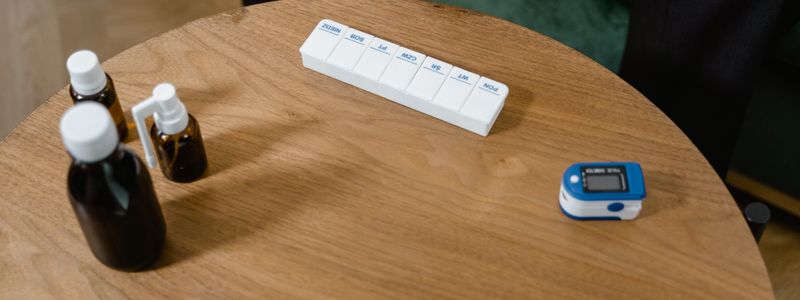
This is the one that gets missed most, and it is the cheapest to check. Harvard Health reports that brain fogginess can be a common side effect of some medications, and quotes neuropsychologist Julie Brody Magid with a direct instruction: if you are taking a new drug, either prescription or over the counter, ask your doctor or pharmacist whether it could be affecting your cognition.
Over the counter is doing real work in that sentence. Sleep aids, allergy medicines and other everyday purchases are drugs too. A five minute conversation at a pharmacy counter is a better first move than months of assuming your brain is simply wearing out.
Harvard is specific: ask a doctor or pharmacist whether a new drug, prescription or over the counter, could be affecting your thinking.
4
The number
Seven to Nine Hours, and Why That Range Holds
Sleep is the largest lever here and the evidence is not subtle. The National Institute on Aging states that older adults need about the same amount of sleep as all adults, seven to nine hours each night, and that a lack of quality sleep can lead to problems with memory, negative feelings, more stress in relationships, and an increased risk of falls or accidents.
Harvard Health points at the same target from the research side, linking a decline in brain function with sleeping less than the recommended seven to eight hours nightly, with fragmented sleep, and with sleep disorders such as insomnia and sleep apnea. NIA adds a detail worth knowing: insomnia is the most common sleep problem in adults age 60 and older, defined as trouble falling or staying asleep at least three nights a week.
Stress compounds it. Harvard Health explains that chronic stress and anxiety can flood the brain with the stress hormone cortisol, which over time can affect the brain regions responsible for storing and recalling information, and that preoccupying thoughts keep people from being present in the first place.
NIA sets the range at seven to nine hours a night for adults of every age, and names insomnia as the most common sleep problem after 60.
There is not a specific treatment available for brain fog.
Cleveland Clinic says a provider is likely to start with habits rather than prescriptions: better sleep, healthy and nutritious meals, 30 minutes of physical activity a day, writing important information down, and short breaks through the day to avoid overworking your brain.
Cleveland Clinic
5
What actually helps
Start With Habits, Then Escalate
Cleveland Clinic is refreshingly blunt that there is no specific treatment for brain fog. The first recommendations are improving sleep habits, eating healthy and nutritious meals, getting 30 minutes of physical activity each day, writing down important information, taking short breaks of about 30 minutes through the day, and in some cases psychotherapy such as cognitive behavioral therapy. Only if those do not resolve it does a provider look at medication.
Timeline honesty matters too. Cleveland Clinic says there is no set duration: you might feel it for a few days to weeks, but it could last months to years in some cases. And there is a clear line for when to stop self-managing. Cleveland Clinic says to let a provider know if brain fog is disruptive to your daily activities, if you frequently forget appointments, have trouble completing ordinary tasks, or find it difficult to pay attention when someone is talking to you.
Harvard Health draws the same line for memory lapses generally: if they become more frequent or substantial enough to interfere with your daily life or safety, get checked out. Bring detail. Were you distracted or juggling too much at once? Does your memory recover in the moment, or does it take time to kick in? Is there a pattern? That background is what helps a doctor separate a lifestyle problem from a medical one.
Take the brain fog checklist with you
Your free 2-page guide: the causes worth ruling out first, the sleep numbers to aim for, and the exact question to ask your pharmacist.
One email. No spam. Unsubscribe anytime.
Free Lifestyle Assessment
How Healthy Is Your Current Lifestyle?
Answer honestly for five minutes and walk away with your personal scorecard: all six areas of your health rated, the one that needs your attention first, and a 30-day plan built from your answers. It shows up the second you finish.
Free. About 5 minutes. Your results appear instantly.
📋 Your Coach's Recommendations
1
Protect a Seven to Nine Hour Window
NIA puts adult sleep need at seven to nine hours a night and links poor sleep directly to memory problems. Pick a fixed wake time and keep it on weekends, keep the phone and television out of the bedroom, and avoid caffeine late in the day. Keep a two week sleep diary so you have something concrete to show a doctor.
2
Take a Medicine Cabinet Inventory
Harvard Health says brain fogginess is a common side effect of some medications and advises asking a doctor or pharmacist about any new drug, prescription or over the counter. Photograph every bottle you take, including sleep and allergy aids, and hand the list across the pharmacy counter.
3
Add Movement and Real Breaks
Cleveland Clinic's first-line advice includes 30 minutes of physical activity a day and short breaks through the day to avoid overworking your brain, alongside nutritious meals. Write important things down while you rebuild the habits rather than testing your memory on them.
?
How it works. Just a quiet check-in, not an alert and not a recurring nag. The event lands as a 30-minute slot at 9am two weeks from today, with your plan in the notes and a link back to this article. Works with Apple Calendar, Google Calendar, and Outlook. Yours to move, snooze, or delete whenever.
Keep this plan
Get the 2-page guide: what to rule out first and what to ask for.
One email. No spam. Unsubscribe anytime.
Where should we send it?
Your brain fog checklist, straight to your inbox.
We send the plan plus one short evidence brief each week. Unsubscribe anytime.
✓
It is on the way
Check your inbox in the next minute. Want it right now?
Your first Ageless Brief arrives this week: one study, translated, no hype.
To your health,
Frequently Asked Questions
Is brain fog a sign of dementia?
Not on its own. Cleveland Clinic describes brain fog as a group of symptoms with many possible causes, from a lack of sleep to medication side effects, and says it is usually temporary. Harvard Health notes that most memory glitches are part of normal aging. Tell a doctor if lapses become more frequent or interfere with daily life or safety.
How long does brain fog last?
There is no set timeframe. Cleveland Clinic says you might feel it for a few days to weeks, but that it could last months to years in some cases. Contact a healthcare provider if it is interfering with your quality of life.
Can my medications be causing it?
They can. Harvard Health says brain fogginess can be a common side effect of some medications and advises asking your doctor or pharmacist about any new drug, whether prescription or over the counter.
How much sleep do I actually need?
The National Institute on Aging puts it at seven to nine hours a night for adults of every age, and links a lack of quality sleep to memory problems and a higher risk of falls or accidents. Insomnia is the most common sleep problem in adults age 60 and older.
What should I try first?
Cleveland Clinic says there is no specific treatment for brain fog, and that a provider will typically start with better sleep habits, nutritious meals, 30 minutes of physical activity a day, writing important information down, and short breaks through the day.
Is this medical advice?
No. This article is educational and is not a substitute for care from your doctor. If brain fog is disrupting your daily life, or you are worried about your memory, speak with a healthcare professional.
Curious where you stand? Take the free 5-minute lifestyle assessment and your personal scorecard appears the second you finish.
By the Ageless Coach Editorial Team · Published May 30, 2026 · Last updated July 20, 2026
<style>
:root{--dark-base:#0D1B2A;--dark-mid:#1B3A4B;--teal:#0EA5A0;--teal-dark:#0C8C88;--teal-bright:#14D4CD;--fog:#D8E8E8;--deep-fog:#C8DCDC;--fog-border:#A8C4C4;--ink:#313743;--ink-soft:#49505f;--muted:#6b7280;--warm:#9A6841;--warm-light:#be7b4c;--serif:"Source Serif 4",Georgia,serif;--sans:Inter,-apple-system,BlinkMacSystemFont,"Segoe UI",sans-serif}
.w-richtext p,.w-richtext li,.w-richtext td{font-size:20.5px;line-height:1.7;color:var(--ink-soft)}
.w-richtext ul{list-style-type:disc;padding-left:24px;margin:12px 0}
.w-richtext ul li{margin-bottom:8px}
.ac-answer{background:#fff;border:1px solid #D4E4E4;border-top:5px solid var(--teal);border-radius:16px;padding:22px 24px 18px;margin:16px 0 28px;box-shadow:0 6px 22px rgba(13,27,42,.07)}
.ac-answer .aa-eyebrow{font:800 12px/1 var(--sans);letter-spacing:2.5px;text-transform:uppercase;color:var(--teal-dark);margin-bottom:8px}
.ac-answer .aa-head{font-family:var(--serif);font-size:24px;line-height:1.2;font-weight:800;color:var(--dark-base);margin:0 0 16px}
.ac-answer .aa-list{list-style:none;margin:0;padding:0}
.ac-answer .aa-list li{display:flex;gap:12px;align-items:baseline;padding:11px 0;border-bottom:1px solid #EDF3F3;font:700 16.5px/1.4 var(--sans);color:var(--ink)}
.ac-answer .aa-list li:last-child{border-bottom:none}
.ac-answer .aa-n{flex-shrink:0;width:24px;height:24px;border-radius:50%;background:var(--teal-dark);color:#fff;font:800 12px/24px var(--sans);text-align:center}
.ac-answer .aa-food{color:var(--teal-dark);font-weight:800}
.ac-answer .aa-cue{margin-top:18px;text-align:center}
.ac-answer .aa-cta{display:inline-flex;align-items:center;gap:10px;background:var(--teal-dark);color:#fff;font:800 14px/1 var(--sans);letter-spacing:.2px;padding:14px 26px;border-radius:50px;text-decoration:none;box-shadow:0 6px 16px rgba(12,140,136,.30)}
.ac-answer .aa-cta:hover{background:#0A7A76}
.ac-answer .aa-arw{display:inline-block;animation:aa-nudge 1.4s ease-in-out infinite}
@keyframes aa-nudge{0%,100%{transform:translateY(0)}50%{transform:translateY(4px)}}
@media(max-width:560px){.ac-answer{padding:20px 18px 16px}.ac-answer .aa-head{font-size:21px}.ac-answer .aa-list li{font-size:15px}}
.ac-band{margin:56px 0 24px;padding:26px 24px 12px;background:linear-gradient(180deg,#F0F7F7,#fff);border-radius:16px}
.ac-band.hype{background:linear-gradient(180deg,#FAF3EB,#fff)}
.ac-band .inner{display:flex;gap:20px;align-items:center}
.ac-band .big{font:900 72px/1 var(--sans);color:var(--deep-fog);flex-shrink:0}
.ac-band.hype .big{color:#EAD9C6}
.ac-band .q{font:700 13px/1.4 var(--sans);letter-spacing:2px;text-transform:uppercase;color:var(--teal-dark)}
.ac-band.hype .q{color:var(--warm)}
.ac-band h3{font-family:var(--serif);font-size:30px;line-height:1.2;font-weight:800;color:var(--ink);margin:0}
.ac-callout{border-left:4px solid var(--teal);background:#F4FAFA;border-radius:0 12px 12px 0;padding:18px 22px;margin:28px 0}
.ac-callout .n{font:800 20px/1.35 var(--sans);color:var(--dark-mid);margin-bottom:6px}
.ac-callout .d{font:500 15px/1.55 var(--sans);color:var(--ink-soft)}
.ac-callout .c{font:600 11.5px/1 var(--sans);letter-spacing:1.5px;text-transform:uppercase;color:var(--muted);margin-top:10px}
.ac-plan{background:linear-gradient(135deg,#F4FAFA 0%,#fff 100%);border-left:5px solid var(--teal-dark);border-radius:14px;padding:30px 26px;margin:40px 0 0;box-shadow:0 2px 12px rgba(0,0,0,.06);scroll-margin-top:100px}
.ac-plan .ptitle{font-family:var(--serif);font-size:24px;font-weight:800;color:var(--ink);margin-bottom:22px}
.ac-plan .step{display:flex;gap:16px;margin-bottom:18px;align-items:flex-start}
.ac-plan .step .n{min-width:38px;width:38px;height:38px;background:var(--teal-dark);border-radius:50%;color:#fff;font:800 17px/38px var(--sans);text-align:center;flex-shrink:0}
.ac-plan .sh{font:800 16.5px/1.4 var(--sans);color:var(--ink);margin-bottom:3px}
.ac-plan .sd{font:400 15px/1.6 var(--sans);color:var(--muted)}
.ac-plan .actions{border-top:1px solid #D8E8E8;margin-top:16px;padding-top:20px}
.ac-primary-row{display:flex;align-items:center;gap:10px;padding:0 4px}
.ac-btn-primary-wide{flex:1;background:var(--teal);color:#fff;border:1.5px solid var(--teal);border-radius:14px;padding:12px 22px;box-shadow:0 4px 14px rgba(14,165,160,.22);font-family:var(--sans);cursor:pointer;display:grid;grid-template-columns:auto 1fr;gap:14px;align-items:center;transition:all .18s ease}
.ac-btn-primary-wide:hover{background:var(--teal-dark);border-color:var(--teal-dark)}
.ac-btn-primary-wide .icon svg{width:22px;height:22px;color:#fff;display:block}
.ac-btn-primary-wide .label{text-align:left;line-height:1.25}
.ac-btn-primary-wide .label .top{display:block;font-weight:700;font-size:15.5px;color:#fff}
.ac-btn-primary-wide .label .top em{font-style:italic;font-weight:700}
.ac-cal-help{position:relative;flex-shrink:0}
.ac-cal-help summary{list-style:none;width:24px;height:24px;border-radius:50%;background:#E4F1F1;border:1px solid var(--fog-border);color:var(--dark-mid);font:700 13px/22px var(--sans);text-align:center;cursor:pointer;display:block}
.ac-cal-help summary::-webkit-details-marker{display:none}
.ac-cal-help .tip{position:absolute;right:0;top:32px;z-index:50;width:290px;background:var(--dark-base);color:var(--fog);border-radius:12px;padding:14px 16px;font:500 12.5px/1.55 var(--sans);box-shadow:0 10px 30px rgba(13,27,42,.35)}
.ac-cal-help .tip strong{color:#fff}
.ac-btn-share-wide{display:flex;width:100%;align-items:center;justify-content:center;gap:10px;background:#fff;color:var(--teal-dark);border:1.5px solid var(--teal-dark);border-radius:14px;padding:12px 22px;margin-top:10px;font:800 15px/1 var(--sans);cursor:pointer}
.ac-btn-share-wide svg{width:18px;height:18px}
.ac-midcap{background:linear-gradient(180deg,#F0F7F7,#fff);border:1.5px solid var(--fog-border);border-radius:16px;padding:24px 22px;margin:34px 0;text-align:center}
.ac-midcap h4{font-family:var(--serif);font-size:22px;font-weight:800;color:var(--ink);margin:0 0 6px}
.ac-midcap .sub{font:500 14px/1.55 var(--sans);color:var(--ink-soft);margin:0 auto 14px;max-width:400px}
.ac-midcap .mcform{display:flex;gap:8px;max-width:400px;margin:0 auto}
.ac-midcap .mcform input{flex:1;border:1.5px solid var(--fog-border);border-radius:50px;padding:12px 18px;font:500 14px/1 var(--sans);min-width:0}
.ac-midcap .mcform button{background:var(--teal-dark);color:#fff;border:none;border-radius:50px;padding:12px 20px;font:800 13.5px/1 var(--sans);cursor:pointer;white-space:nowrap}
.ac-midcap .fine{font:500 11.5px/1.5 var(--sans);color:var(--muted);margin-top:10px}
@media (max-width:520px){.ac-midcap .mcform{flex-direction:column}}
.ac-assess-promo{background:linear-gradient(135deg,#D8E8E8,#C8DCDC);border:1px solid var(--fog-border);border-radius:16px;padding:34px 30px;margin:44px 0;text-align:center}
.ac-assess-promo .eyebrow{color:var(--teal-dark);font:800 12px/1 var(--sans);letter-spacing:2.5px;text-transform:uppercase;margin:0 0 10px}
.ac-assess-promo h4{font-family:var(--serif);color:var(--dark-base);font-size:26px;font-weight:800;margin:0 0 12px}
.w-embed .ac-assess-promo p.ap-body,.ac-assess-promo p.ap-body{font-family:Georgia,serif;color:#3A5555;font-size:15.5px;font-weight:500;line-height:1.65;max-width:540px;margin:0 auto 22px}
.ac-assess-promo .ap-cta{display:inline-block;background:var(--teal-bright);color:var(--dark-base);font:800 15px/1 var(--sans);padding:15px 30px;border-radius:50px;text-decoration:none}
.ac-assess-promo .ap-fine{color:#4E6B6B;font:500 13px/1.5 var(--sans);margin:14px 0 0}
.ac-assess-line{border-top:1px solid #E2ECEC;margin-top:30px;padding:22px 10px 0;text-align:center;font:500 15.5px/1.6 var(--sans);color:#3A5555}
.w-embed .ac-assess-line a,.ac-assess-line a{color:var(--teal-dark);font-weight:700;text-decoration:underline;text-underline-offset:3px}
.ac-articlemeta{font:500 12.5px/1.6 var(--sans);color:#98a0a6;text-align:center;margin:24px 0 0}
.ac-capture{background:linear-gradient(180deg,#F0F7F7,#fff);border:1.5px solid var(--fog-border);border-radius:16px;padding:30px 28px;margin:26px 0 44px;text-align:center}
.ac-capture .cap-state{display:none}
.ac-capture[data-state="trigger"] .st-trigger{display:block}
.ac-capture[data-state="form"] .st-form{display:block}
.ac-capture[data-state="sent"] .st-sent{display:block}
.ac-capture h4{font-family:var(--serif);font-size:24px;font-weight:800;color:var(--ink);margin:0 0 8px}
.ac-capture .sub{font:500 15px/1.55 var(--sans);color:var(--ink-soft);margin:0 auto 18px;max-width:430px}
.ac-capture .bigbtn{display:inline-flex;align-items:center;gap:10px;background:var(--teal-dark);color:#fff;border:none;border-radius:50px;padding:16px 30px;font:800 16px/1 var(--sans);cursor:pointer;box-shadow:0 6px 18px rgba(12,140,136,.28)}
.ac-capture .capform{display:flex;gap:10px;max-width:430px;margin:0 auto}
.ac-capture .capform input{flex:1;border:1.5px solid var(--fog-border);border-radius:50px;padding:14px 20px;font:500 15px/1 var(--sans)}
.ac-capture .capform button{background:var(--teal-dark);color:#fff;border:none;border-radius:50px;padding:14px 24px;font:800 14px/1 var(--sans);cursor:pointer}
.ac-capture .sent-check{width:52px;height:52px;border-radius:50%;background:var(--teal);color:#fff;font:800 26px/52px var(--sans);margin:0 auto 12px}
.ac-capture .dl{display:inline-block;margin-top:6px;color:var(--teal-dark);font:700 15px/1 var(--sans);text-decoration:underline;cursor:pointer}
.ac-capture .fine{font:500 12px/1.5 var(--sans);color:var(--muted);margin-top:12px}
.ac-sig{margin-top:36px}
.ac-sig .rule{width:60px;height:2px;background:linear-gradient(90deg,var(--teal-dark),var(--teal-bright));margin-bottom:18px;border-radius:2px}
.ac-sig .toyour{font-family:var(--serif);font-size:16px;font-style:italic;color:#777;margin:0 0 10px;padding-left:2px}
.ac-faq{margin-top:40px;border-top:1px solid #e5e7eb;padding-top:30px;margin-bottom:40px}
.ac-faq h2{font-family:var(--serif);font-size:23px;font-weight:800;color:var(--ink);margin:0 0 18px}
.ac-faq details{border:1px solid #e5e7eb;border-radius:10px;margin-bottom:10px}
.ac-faq summary{padding:15px 18px;font:700 16px/1.4 var(--sans);color:var(--ink);cursor:pointer;display:flex;justify-content:space-between;align-items:center;list-style:none}
.ac-faq summary:after{content:"\25BE";color:var(--warm)}
.ac-faq .a{padding:0 18px 16px;font-size:17px;line-height:1.65;color:#555}
.article-header-section .article-container{max-width:1080px !important;margin:0 auto !important;padding:0 20px !important}
.article-header-section .article-hero-image{display:block;width:100%;max-width:660px;margin:0}
.article-header-section .article-title{display:block !important;font-family:var(--serif);font-size:32px;line-height:1.25;font-weight:700;color:#313743;margin:20px 0 12px 0;text-align:left;max-width:660px}
@media (max-width:767px){.article-header-section .article-title{font-size:26px}.article-header-section .article-hero-image{max-width:100%}}
@media (max-width:640px){.ac-band .big{font-size:52px}}
@media (max-width:520px){.ac-capture .capform{flex-direction:column}}
.ac-figure{margin:30px 0}.ac-figure img{display:block;width:100%;border-radius:14px;height:auto;aspect-ratio:800/300}.ac-figure figcaption{font:500 13px/1.5 var(--sans);color:var(--muted);margin-top:9px}</style><div class="ac-answer"><div class="aa-eyebrow">What the evidence actually says</div><h2 class="aa-head">The slow, buffering feeling has a clinical name and a short list of usual suspects. Brain fog is a group of symptoms rather than a disease, and the things that cause it most often are things you can check this week.</h2><ol class="aa-list"><li><span class="aa-n">1</span><span><span class="aa-food">Not a diagnosis</span> · a group of symptoms that cloud thinking, memory and focus</span></li><li><span class="aa-n">2</span><span><span class="aa-food">Seven to nine hours</span> · the sleep range NIA sets for adults of every age</span></li><li><span class="aa-n">3</span><span><span class="aa-food">Your medicine cabinet</span> · fogginess is a common side effect of some drugs</span></li><li><span class="aa-n">4</span><span><span class="aa-food">Cortisol</span> · chronic stress affects the regions that store and recall</span></li><li><span class="aa-n">5</span><span><span class="aa-food">No specific treatment</span> · the first moves are habits, not prescriptions</span></li></ol><div class="aa-cue"><a class="aa-cta" href="#coach-recommendations">Get Your Coach's 3-Step Plan <span class="aa-arw">↓</span></a></div></div><p>You walk into a room and forget why. You lose the thread halfway through a sentence. Reading the same paragraph three times stops being funny and starts being unsettling. The word most people reach for is fog, and it turns out clinicians reach for it too.</p><p><a href="https://my.clevelandclinic.org/health/symptoms/brain-fog" target="_blank" rel="noopener">Cleveland Clinic</a> defines brain fog as a term for a range of symptoms that cause cognitive impairment: difficulty concentrating, forgetfulness, losing your train of thought, mental exhaustion, and a slow thought process and reaction time. That definition matters, because it tells you what to go looking for.</p><div class="ac-band"><div class="inner"><div class="big">1</div><div><div class="q">The mechanism</div><h3>Brain Fog Is a Symptom, Not a Disease</h3></div></div></div><p>This is the part that changes how you approach it. <a href="https://my.clevelandclinic.org/health/symptoms/brain-fog" target="_blank" rel="noopener">Cleveland Clinic</a> is explicit that brain fog can happen after an illness, as a side effect of a medication, or as a symptom of an underlying condition. It is a readout, not a diagnosis. Something else is driving it.</p><p>There is a biological theory behind the feeling as well. <a href="https://my.clevelandclinic.org/health/symptoms/brain-fog" target="_blank" rel="noopener">Cleveland Clinic</a> notes that some research shows the immune system can cause inflammation in the brain that temporarily blocks or makes it harder for the body to process information. Cleveland Clinic's own description is the one most people recognize instantly: your mind is in a state of buffering, like waiting for a video to load on an unstable connection.</p><figure class="ac-figure"><img src="https://images.pexels.com/photos/8837448/pexels-photo-8837448.jpeg?auto=compress&cs=tinysrgb&w=800&h=300&fit=crop" alt="A woman with grey hair and glasses pressing a hand to her face at a shared work table" width="800" height="300" loading="lazy" decoding="async"><figcaption>The clinical description is a group of symptoms, not a disease. That is why the useful question is what is driving it.</figcaption></figure><div class="ac-band hype"><div class="inner"><div class="big">2</div><div><div class="q">The usual suspects</div><h3>The Everyday Causes That Do Most of the Work</h3></div></div></div><p><a href="https://my.clevelandclinic.org/health/symptoms/brain-fog" target="_blank" rel="noopener">Cleveland Clinic</a> lists the common causes plainly, and most of them are ordinary. A lack of sleep. Diabetes and low blood sugar. Mental health conditions such as anxiety or depression. Hormonal changes such as those around menopause. Poor nutrition. Stress. Autoimmune conditions such as lupus, multiple sclerosis and fibromyalgia sit on the same list, alongside fog that follows a COVID-19 infection, chemotherapy, or a long hospital stay.</p><p>Notice how many of those are checkable. Blood sugar is a test. Sleep is a diary. Stress is a conversation. That is the practical value of treating fog as a symptom rather than a verdict: it gives you somewhere to start instead of something to endure.</p><div class="ac-band"><div class="inner"><div class="big">3</div><div><div class="q">The overlooked one</div><h3>The Cause Sitting in Your Medicine Cabinet</h3></div></div></div><p>This is the one that gets missed most, and it is the cheapest to check. <a href="https://www.health.harvard.edu/mind-and-mood/clearing-up-a-foggy-memory" target="_blank" rel="noopener">Harvard Health</a> reports that brain fogginess can be a common side effect of some medications, and quotes neuropsychologist Julie Brody Magid with a direct instruction: if you are taking a new drug, either prescription or over the counter, ask your doctor or pharmacist whether it could be affecting your cognition.</p><p>Over the counter is doing real work in that sentence. Sleep aids, allergy medicines and other everyday purchases are drugs too. A five minute conversation at a pharmacy counter is a better first move than months of assuming your brain is simply wearing out.</p><figure class="ac-figure"><img src="https://images.pexels.com/photos/8376201/pexels-photo-8376201.jpeg?auto=compress&cs=tinysrgb&w=800&h=300&fit=crop" alt="A weekly pill organizer and two amber medicine bottles on a round wooden table" width="800" height="300" loading="lazy" decoding="async"><figcaption>Harvard is specific: ask a doctor or pharmacist whether a new drug, prescription or over the counter, could be affecting your thinking.</figcaption></figure><div class="ac-band"><div class="inner"><div class="big">4</div><div><div class="q">The number</div><h3>Seven to Nine Hours, and Why That Range Holds</h3></div></div></div><p>Sleep is the largest lever here and the evidence is not subtle. <a href="https://www.nia.nih.gov/health/sleep/sleep-and-older-adults" target="_blank" rel="noopener">The National Institute on Aging</a> states that older adults need about the same amount of sleep as all adults, seven to nine hours each night, and that a lack of quality sleep can lead to problems with memory, negative feelings, more stress in relationships, and an increased risk of falls or accidents.</p><p><a href="https://www.health.harvard.edu/mind-and-mood/clearing-up-a-foggy-memory" target="_blank" rel="noopener">Harvard Health</a> points at the same target from the research side, linking a decline in brain function with sleeping less than the recommended seven to eight hours nightly, with fragmented sleep, and with sleep disorders such as insomnia and sleep apnea. NIA adds a detail worth knowing: insomnia is the most common sleep problem in adults age 60 and older, defined as trouble falling or staying asleep at least three nights a week.</p><p>Stress compounds it. <a href="https://www.health.harvard.edu/mind-and-mood/clearing-up-a-foggy-memory" target="_blank" rel="noopener">Harvard Health</a> explains that chronic stress and anxiety can flood the brain with the stress hormone cortisol, which over time can affect the brain regions responsible for storing and recalling information, and that preoccupying thoughts keep people from being present in the first place.</p><figure class="ac-figure"><img src="https://images.pexels.com/photos/9615241/pexels-photo-9615241.jpeg?auto=compress&cs=tinysrgb&w=800&h=300&fit=crop" alt="A man asleep on his side in a dimly lit bedroom beside a wooden bedside table" width="800" height="300" loading="lazy" decoding="async"><figcaption>NIA sets the range at seven to nine hours a night for adults of every age, and names insomnia as the most common sleep problem after 60.</figcaption></figure><div class="ac-callout"><div class="n">There is not a specific treatment available for brain fog.</div><div class="d">Cleveland Clinic says a provider is likely to start with habits rather than prescriptions: better sleep, healthy and nutritious meals, 30 minutes of physical activity a day, writing important information down, and short breaks through the day to avoid overworking your brain.</div><div class="c">Cleveland Clinic</div></div><div class="ac-band"><div class="inner"><div class="big">5</div><div><div class="q">What actually helps</div><h3>Start With Habits, Then Escalate</h3></div></div></div><p><a href="https://my.clevelandclinic.org/health/symptoms/brain-fog" target="_blank" rel="noopener">Cleveland Clinic</a> is refreshingly blunt that there is no specific treatment for brain fog. The first recommendations are improving sleep habits, eating healthy and nutritious meals, getting 30 minutes of physical activity each day, writing down important information, taking short breaks of about 30 minutes through the day, and in some cases psychotherapy such as cognitive behavioral therapy. Only if those do not resolve it does a provider look at medication.</p><p>Timeline honesty matters too. <a href="https://my.clevelandclinic.org/health/symptoms/brain-fog" target="_blank" rel="noopener">Cleveland Clinic</a> says there is no set duration: you might feel it for a few days to weeks, but it could last months to years in some cases. And there is a clear line for when to stop self-managing. Cleveland Clinic says to let a provider know if brain fog is disruptive to your daily activities, if you frequently forget appointments, have trouble completing ordinary tasks, or find it difficult to pay attention when someone is talking to you.</p><p><a href="https://www.health.harvard.edu/mind-and-mood/clearing-up-a-foggy-memory" target="_blank" rel="noopener">Harvard Health</a> draws the same line for memory lapses generally: if they become more frequent or substantial enough to interfere with your daily life or safety, get checked out. Bring detail. Were you distracted or juggling too much at once? Does your memory recover in the moment, or does it take time to kick in? Is there a pattern? That background is what helps a doctor separate a lifestyle problem from a medical one.</p><div class="ac-midcap"><h4>Take the brain fog checklist with you</h4><p class="sub">Your free 2-page guide: the causes worth ruling out first, the sleep numbers to aim for, and the exact question to ask your pharmacist.</p><div class="mcform"><input type="email" placeholder="Your email address" aria-label="Email address"><button type="button">Send My Plan (Free)</button></div><div class="fine">One email. No spam. Unsubscribe anytime.</div></div><div class="ac-assess-promo"><p class="eyebrow">Free Lifestyle Assessment</p><h4>How Healthy Is Your Current Lifestyle?</h4><p class="ap-body">Answer honestly for five minutes and walk away with your personal scorecard: all six areas of your health rated, the one that needs your attention first, and a 30-day plan built from your answers. It shows up the second you finish.</p><a class="ap-cta" href="/#assessment">See How the Assessment Works →</a><p class="ap-fine">Free. About 5 minutes. Your results appear instantly.</p></div><div class="ac-plan" id="coach-recommendations"><div class="ptitle">📋 Your Coach's Recommendations</div><div class="step"><div class="n">1</div><div><div class="sh">Protect a Seven to Nine Hour Window</div><div class="sd">NIA puts adult sleep need at seven to nine hours a night and links poor sleep directly to memory problems. Pick a fixed wake time and keep it on weekends, keep the phone and television out of the bedroom, and avoid caffeine late in the day. Keep a two week sleep diary so you have something concrete to show a doctor.</div></div></div><div class="step"><div class="n">2</div><div><div class="sh">Take a Medicine Cabinet Inventory</div><div class="sd">Harvard Health says brain fogginess is a common side effect of some medications and advises asking a doctor or pharmacist about any new drug, prescription or over the counter. Photograph every bottle you take, including sleep and allergy aids, and hand the list across the pharmacy counter.</div></div></div><div class="step"><div class="n">3</div><div><div class="sh">Add Movement and Real Breaks</div><div class="sd">Cleveland Clinic's first-line advice includes 30 minutes of physical activity a day and short breaks through the day to avoid overworking your brain, alongside nutritious meals. Write important things down while you rebuild the habits rather than testing your memory on them.</div></div></div><div class="actions">
<div class="ac-primary-row">
<button type="button" class="ac-btn-primary-wide" data-ac-cal>
<span class="icon"><svg viewBox="0 0 24 24" fill="none" stroke="currentColor" stroke-width="2" stroke-linecap="round" stroke-linejoin="round"><rect x="3" y="4" width="18" height="18" rx="2"></rect><path d="M16 2v4M8 2v4M3 10h18"></path></svg></span>
<span class="label"><span class="top">Add <em>Your Coach's Recommendations to Your Calendar</em></span></span>
</button>
<details class="ac-cal-help">
<summary aria-label="What does this do?">?</summary>
<div class="tip"><strong>How it works.</strong> Just a quiet check-in, not an alert and not a recurring nag. The event lands as a 30-minute slot at 9am two weeks from today, with your plan in the notes and a link back to this article. Works with Apple Calendar, Google Calendar, and Outlook. Yours to move, snooze, or delete whenever.</div>
</details>
</div>
<button type="button" class="ac-btn-share-wide" data-ac-share>
<svg viewBox="0 0 24 24" fill="none" stroke="currentColor" stroke-width="2" stroke-linecap="round" stroke-linejoin="round"><path d="M4 12v8a2 2 0 002 2h12a2 2 0 002-2v-8"></path><polyline points="16 6 12 2 8 6"></polyline><line x1="12" y1="2" x2="12" y2="15"></line></svg>
Share this article
</button>
</div></div><div class="ac-capture" data-state="trigger" data-article-slug="what-is-killing-your-focus-shrinking-brain-cells" data-pdf-url="https://cdn.prod.website-files.com/69be1026a027224999b7936b/6a5e03e8159a1e6a9066524f_the-brain-fog-checklist.pdf" data-plan-title="The Brain Fog Checklist" data-plan-desc="Your free 2-page guide: the causes worth ruling out first, the sleep target that matters, and the question to ask your pharmacist. Checked against Cleveland Clinic, Harvard Health and the National Institute on Aging."><div class="st-trigger cap-state"><h4>Keep this plan</h4><p class="sub">Get the 2-page guide: what to rule out first and what to ask for.</p><button class="bigbtn" type="button" data-cap="form">📩 Email Me This Plan (Free PDF)</button><div class="fine">One email. No spam. Unsubscribe anytime.</div></div><div class="st-form cap-state"><h4>Where should we send it?</h4><p class="sub">Your brain fog checklist, straight to your inbox.</p><form class="capform"><input type="email" name="email" required placeholder="Your email address" aria-label="Email address"><button type="submit">Send My Plan</button></form><div class="fine">We send the plan plus one short evidence brief each week. Unsubscribe anytime.</div></div><div class="st-sent cap-state"><div class="sent-check">✓</div><h4>It is on the way</h4><p class="sub">Check your inbox in the next minute. Want it right now?</p><a class="dl" href="https://cdn.prod.website-files.com/69be1026a027224999b7936b/6a5e03e8159a1e6a9066524f_the-brain-fog-checklist.pdf" download>⬇ Download your plan (PDF)</a><div class="fine">Your first Ageless Brief arrives this week: one study, translated, no hype.</div></div></div><div class="ac-sig">
<div class="rule"></div>
<p class="toyour">To your health,</p>
<svg width="320" height="72" viewBox="0 0 320 72" role="img" aria-label="Ageless Coach. Age Strong. Live Long." xmlns="http://www.w3.org/2000/svg" xmlns:xlink="http://www.w3.org/1999/xlink">
<defs><clipPath id="acSigIconClip"><rect x="0" y="6" width="60" height="60" rx="12" ry="12"/></clipPath></defs>
<image x="0" y="6" width="60" height="60" clip-path="url(#acSigIconClip)" preserveAspectRatio="xMidYMid slice" href="https://cdn.prod.website-files.com/69be1026a027224999b7936b/6a0b22c6afd5d6fd115b9c1a_ac-closing-brand-icon.webp" xlink:href="https://cdn.prod.website-files.com/69be1026a027224999b7936b/6a0b22c6afd5d6fd115b9c1a_ac-closing-brand-icon.webp"/>
<text x="76" y="42" style="font-family:Inter,system-ui,-apple-system,'Helvetica Neue',Arial,sans-serif;font-size:27px;letter-spacing:-0.3px">
<tspan style="font-weight:800;fill:#0D1B2A">Ageless</tspan><tspan style="font-weight:300;fill:rgba(13,27,42,0.6)">Coach</tspan><tspan dy="-12" style="font-size:16px;font-weight:600;fill:rgba(13,27,42,0.6)">™</tspan>
</text>
<text x="76" y="60" style="font-family:Inter,system-ui,-apple-system,'Helvetica Neue',Arial,sans-serif;font-size:10.5px;letter-spacing:2.5px;font-weight:500;fill:#0C8C88;text-transform:uppercase">AGE STRONG. LIVE LONG.</text>
</svg>
</div><div class="ac-faq"><h2>Frequently Asked Questions</h2><details><summary>Is brain fog a sign of dementia?</summary><div class="a">Not on its own. Cleveland Clinic describes brain fog as a group of symptoms with many possible causes, from a lack of sleep to medication side effects, and says it is usually temporary. Harvard Health notes that most memory glitches are part of normal aging. Tell a doctor if lapses become more frequent or interfere with daily life or safety.</div></details><details><summary>How long does brain fog last?</summary><div class="a">There is no set timeframe. Cleveland Clinic says you might feel it for a few days to weeks, but that it could last months to years in some cases. Contact a healthcare provider if it is interfering with your quality of life.</div></details><details><summary>Can my medications be causing it?</summary><div class="a">They can. Harvard Health says brain fogginess can be a common side effect of some medications and advises asking your doctor or pharmacist about any new drug, whether prescription or over the counter.</div></details><details><summary>How much sleep do I actually need?</summary><div class="a">The National Institute on Aging puts it at seven to nine hours a night for adults of every age, and links a lack of quality sleep to memory problems and a higher risk of falls or accidents. Insomnia is the most common sleep problem in adults age 60 and older.</div></details><details><summary>What should I try first?</summary><div class="a">Cleveland Clinic says there is no specific treatment for brain fog, and that a provider will typically start with better sleep habits, nutritious meals, 30 minutes of physical activity a day, writing important information down, and short breaks through the day.</div></details><details><summary>Is this medical advice?</summary><div class="a">No. This article is educational and is not a substitute for care from your doctor. If brain fog is disrupting your daily life, or you are worried about your memory, speak with a healthcare professional.</div></details></div><div class="ac-assess-line">Curious where you stand? Take the free <a href="/#assessment">5-minute lifestyle assessment</a> and your personal scorecard appears the second you finish.</div><p class="ac-articlemeta">By the Ageless Coach Editorial Team · Published May 30, 2026 · Last updated July 20, 2026</p>
Subscribe to the Free Newsletter
One article a week. Trusted research made simple. Start making smarter health decisions today.