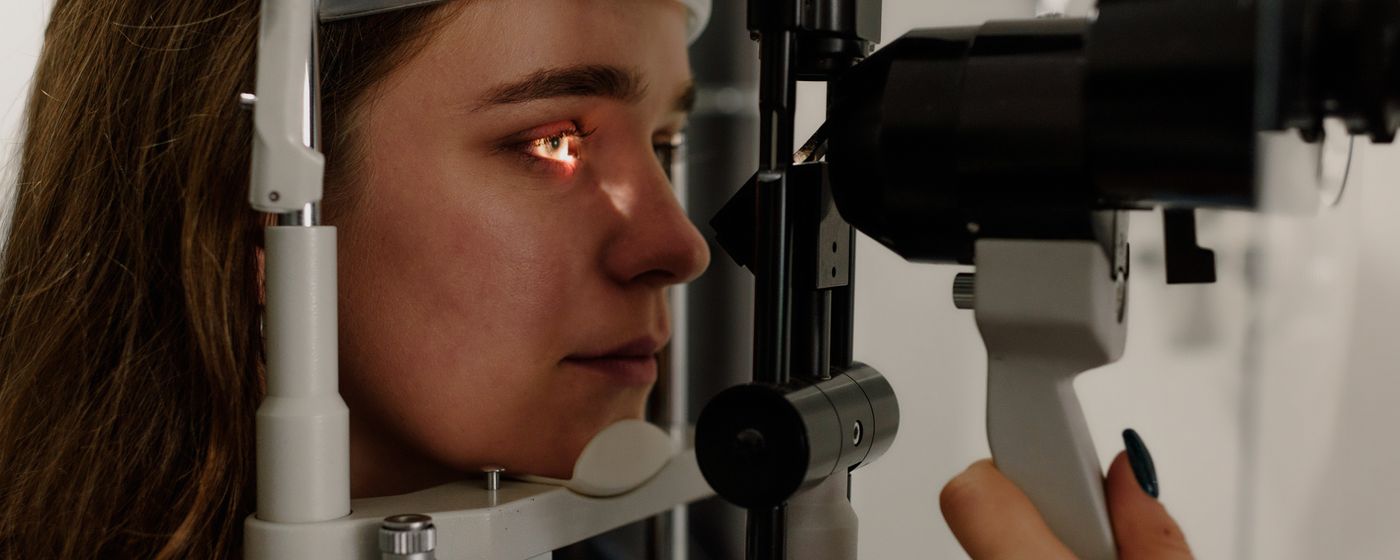
<style>:root{--dark-base:#0D1B2A;--dark-mid:#1B3A4B;--teal:#0EA5A0;--teal-dark:#0C8C88;--teal-bright:#14D4CD;--fog:#D8E8E8;--deep-fog:#C8DCDC;--fog-border:#A8C4C4;--ink:#313743;--ink-soft:#49505f;--muted:#6b7280;--warm:#9A6841;--warm-light:#be7b4c;--serif:"Source Serif 4",Georgia,serif;--sans:Inter,-apple-system,BlinkMacSystemFont,"Segoe UI",sans-serif}.acv-root .acv-dek{font:500 19px/1.55 var(--sans);color:var(--ink-soft);margin:0 0 14px}.acv-root .acv-dek b{color:var(--teal-dark)}.acv-root .acv-meta{font:600 13px/1.6 var(--sans);color:var(--muted);margin:14px 0 0;text-align:center}.acv-root .acv-meta .acv-chk{color:var(--teal-dark)}.acv-root .acv-glance{background:linear-gradient(180deg,#F0F7F7,#fff);border:1.5px solid var(--fog-border);border-radius:14px;padding:22px 24px;margin:24px 0 0}.acv-root .acv-glance .acv-gt{font:800 12px/1 var(--sans);letter-spacing:2.5px;text-transform:uppercase;color:var(--teal-dark);margin-bottom:14px}.acv-root .acv-glance .acv-item{font:500 15.5px/1.55 var(--sans);color:var(--ink-soft);padding:0 0 10px 26px;position:relative}.acv-root .acv-glance .acv-item:before{content:"";position:absolute;left:2px;top:7px;width:8px;height:8px;border-radius:50%;background:var(--teal)}.acv-root .acv-glance .acv-item b{color:var(--ink)}.acv-root .acv-glance .acv-s{color:var(--muted);font-size:12.5px}.acv-root .acv-body{margin-top:30px}.acv-root .acv-body p{font-size:20.5px;line-height:1.75;margin:0 0 24px;color:var(--ink-soft)}.acv-root .acv-body p strong{color:var(--ink)}.acv-root .acv-body a{color:var(--teal-dark);font-weight:700;text-decoration:underline;text-decoration-color:rgba(14,165,160,.4);text-underline-offset:3px}.acv-root .acv-dropcap:first-letter{font-family:var(--serif);font-size:64px;font-weight:800;color:var(--dark-mid);float:left;line-height:.9;padding:6px 10px 0 0}.acv-root mark{background:linear-gradient(180deg,transparent 55%,rgba(20,212,205,.35) 55%);color:inherit;padding:0 2px}.acv-root .acv-band{margin:56px 0 24px;padding:26px 22px 12px;background:linear-gradient(180deg,#F0F7F7,#fff);border-radius:16px}.acv-root .acv-band.acv-hype{background:linear-gradient(180deg,#FAF3EB,#fff)}.acv-root .acv-band .acv-inner{display:flex;gap:18px;align-items:center}.acv-root .acv-band .acv-big{font:900 64px/1 var(--sans);color:var(--deep-fog);flex-shrink:0}.acv-root .acv-band.acv-hype .acv-big{color:#EAD9C6}.acv-root .acv-band .acv-q{font:700 13px/1.4 var(--sans);letter-spacing:2px;text-transform:uppercase;color:var(--teal-dark);margin-bottom:6px}.acv-root .acv-band.acv-hype .acv-q{color:var(--warm)}.acv-root .acv-band h3{font-family:var(--serif);font-size:31px;line-height:1.2;font-weight:800;color:var(--ink);margin:0}.acv-root .acv-billboard{background:var(--dark-mid);border-radius:18px;color:#fff;padding:30px 28px;margin:32px 0;text-align:center}.acv-root .acv-billboard .acv-n{font:900 34px/1.2 var(--sans);color:var(--teal-bright);margin-bottom:8px}.acv-root .acv-billboard .acv-d{font:500 16px/1.55 var(--sans);color:#D4E5E5;max-width:480px;margin:0 auto}.acv-root .acv-billboard .acv-c{font:600 12px/1 var(--sans);letter-spacing:1.5px;text-transform:uppercase;color:#8FB3B3;margin-top:12px}.acv-root figure{margin:32px 0}.acv-root figure img{width:100%;border-radius:16px;display:block}.acv-root figcaption{font:600 13.5px/1.5 var(--sans);color:var(--muted);margin:10px 0 0;text-align:center}.acv-root .acv-pullquote{margin:34px 0;text-align:center;padding:0 10px}.acv-root .acv-pullquote p{font-family:var(--serif);font-size:27px;line-height:1.4;color:var(--dark-mid);font-weight:700;margin:0 0 10px}.acv-root .acv-pullquote .acv-who{font:700 12px/1 var(--sans);letter-spacing:2px;text-transform:uppercase;color:var(--warm)}.acv-root .acv-plan{background:linear-gradient(135deg,#fffcf4 0%,#fff8ed 100%);border-left:5px solid var(--teal-dark);border-radius:14px;padding:30px 26px 24px;margin:40px 0 0;box-shadow:0 2px 12px rgba(0,0,0,.06)}.acv-root .acv-plan .acv-ptitle{display:flex;align-items:center;gap:12px;font-family:var(--serif);font-size:26px;font-weight:800;color:var(--ink);margin-bottom:24px}.acv-root .acv-plan .acv-ptitle .acv-ico{font-size:24px;color:var(--teal-dark)}.acv-root .acv-plan .step{display:flex;gap:16px;margin-bottom:20px;align-items:flex-start}.acv-root .acv-plan .acv-n{min-width:38px;width:38px;height:38px;background:var(--teal-dark);border-radius:50%;color:#fff;font:800 17px/38px var(--sans);text-align:center;flex-shrink:0}.acv-root .acv-plan .sh{font:800 16.5px/1.4 var(--sans);color:var(--ink);margin-bottom:3px}.acv-root .acv-plan .sd{font:400 15px/1.6 var(--sans);color:var(--muted)}.acv-root .acv-plan .acv-pdiv{height:1px;background:#E4DECE;margin:26px 0 22px}.acv-root .acv-calbar{display:flex;align-items:center;justify-content:center;gap:12px;width:100%;background:linear-gradient(90deg,var(--teal-dark),var(--teal));color:#fff;border:none;border-radius:12px;padding:17px 20px;font:700 16px/1.3 var(--sans);cursor:pointer;position:relative;box-shadow:0 4px 14px rgba(12,140,136,.25)}.acv-root .acv-calbar i{font-family:var(--serif);font-style:italic;font-weight:600}.acv-root .acv-calbar .acv-qm{position:absolute;right:14px;top:50%;transform:translateY(-50%);width:26px;height:26px;border-radius:50%;background:rgba(255,255,255,.22);font:700 14px/26px var(--sans);text-align:center}.acv-root .acv-opsrow{display:grid;grid-template-columns:repeat(4,1fr);gap:12px;margin-top:14px}@media(max-width:640px){.acv-root .acv-opsrow{grid-template-columns:1fr 1fr}}.acv-root .acv-opsrow button{display:flex;align-items:center;justify-content:center;gap:8px;background:#fff;border:1.5px solid var(--teal);color:var(--teal-dark);border-radius:50px;padding:13px 10px;font:700 14px/1 var(--sans);cursor:pointer;transition:background .15s}.acv-root .acv-opsrow button:hover{background:#F0FAFA}.acv-root .acv-capture{background:linear-gradient(135deg,var(--dark-base),var(--dark-mid));border-radius:18px;padding:32px 30px;margin:50px 0 56px;color:#fff;position:relative;overflow:hidden;box-shadow:0 16px 40px rgba(13,27,42,.25)}.acv-root .acv-cap-grid{display:grid;grid-template-columns:1fr 200px;gap:26px;align-items:center}@media(max-width:600px){.acv-root .acv-cap-grid{grid-template-columns:1fr}.acv-root .acv-chartcard{display:none}}.acv-root .acv-capture h4{font-family:var(--serif);font-size:26px;font-weight:800;margin:0 0 8px}.acv-root .acv-capture .acv-sub{font:500 15.5px/1.55 var(--sans);color:#C9DDDD;margin:0 0 18px}.acv-root .acv-chartcard{background:#fff;border-radius:8px;padding:14px 13px 12px;box-shadow:0 12px 32px rgba(0,0,0,.38);transform:rotate(2deg)}.acv-root .acv-chartcard .acv-ch-mast{font-family:var(--serif);font-weight:800;font-size:11px;color:var(--dark-base);letter-spacing:.4px;border-bottom:3px solid var(--dark-base);padding-bottom:5px}.acv-root .acv-chartcard .acv-ch-sub{font:800 5.5px/1.4 var(--sans);color:var(--muted);letter-spacing:.8px;margin:4px 0 8px}.acv-root .acv-chartcard .acv-ch-cols{display:grid;grid-template-columns:1fr 1fr;gap:8px}.acv-root .acv-chartcard .acv-ch-h{font:900 7.5px/1 var(--sans);letter-spacing:1px;border-radius:3px;padding:4px 5px;margin-bottom:5px;color:#fff}.acv-root .acv-chartcard .acv-ch-h.acv-ok{background:#2E7D5B}.acv-root .acv-chartcard .acv-ch-h.acv-no{background:#B4533A}.acv-root .acv-chartcard .acv-ch-row{height:9px;border-radius:2px;margin:4px 0}.acv-root .acv-chartcard .acv-ch-row.acv-ok{background:#E3F0E9}.acv-root .acv-chartcard .acv-ch-row.acv-no{background:#F6E7E1}.acv-root .acv-chartcard .acv-ch-row.acv-short{width:70%}.acv-root .acv-chartcard .acv-ch-band{height:16px;border-radius:3px;background:var(--fog);margin-top:9px}.acv-root .cap-state{display:none}.acv-root .acv-capture[data-state="trigger"] .st-trigger{display:block}.acv-root .acv-capture[data-state="form"] .st-form{display:block}.acv-root .acv-capture[data-state="sent"] .st-sent{display:block}.acv-root .acv-bigbtn{display:inline-flex;align-items:center;gap:10px;background:var(--teal-bright);color:var(--dark-base);border:none;border-radius:50px;padding:16px 28px;font:800 15.5px/1 var(--sans);cursor:pointer;box-shadow:0 6px 20px rgba(20,212,205,.35)}.acv-root .acv-fine{font:500 12px/1.5 var(--sans);color:#7FA3A3;margin-top:12px}.acv-root .capform{display:flex;gap:10px;max-width:440px}@media(max-width:520px){.acv-root .capform{flex-direction:column}}.acv-root .capform input{flex:1;border:none;border-radius:50px;padding:14px 20px;font:500 15px/1 var(--sans)}.acv-root .capform button{background:var(--teal-bright);color:var(--dark-base);border:none;border-radius:50px;padding:14px 24px;font:800 14px/1 var(--sans);cursor:pointer}.acv-root .acv-sent-check{width:52px;height:52px;border-radius:50%;background:var(--teal-bright);color:var(--dark-base);font:800 26px/52px var(--sans);margin-bottom:12px}.acv-root .dl{display:inline-block;margin-top:6px;color:var(--teal-bright);font:700 15px/1 var(--sans);text-decoration:underline;text-underline-offset:3px;cursor:pointer}.acv-root .acv-sig{margin-top:36px}.acv-root .acv-sig .acv-toyour{font-family:var(--serif);font-size:17px;font-style:italic;color:#777;margin:0 0 8px;padding-left:38px}.acv-root .acv-sig .acv-row{display:flex;align-items:center;gap:10px}.acv-root .acv-sig .acv-glyph{width:30px;height:30px;flex-shrink:0}.acv-root .acv-sig .acv-name{font-family:var(--serif);font-size:24px;font-weight:700;margin:0;color:var(--ink)}.acv-root .acv-sig .acv-tag{font:700 11px/1 var(--sans);color:var(--warm-light);letter-spacing:2.5px;text-transform:uppercase;margin:6px 0 0 40px}.acv-root .acv-trust{margin-top:30px;padding-top:22px;border-top:1px solid #e5e7eb;text-align:center}.acv-root .acv-trust .acv-t{font:700 13px/1 var(--sans);color:var(--muted);letter-spacing:2px;text-transform:uppercase;margin-bottom:16px}.acv-root .acv-trust a{display:inline-block;background:#fff;border:1.5px solid var(--warm);color:var(--warm);padding:8px 20px;border-radius:20px;font:600 14px/1 var(--sans);text-decoration:none;margin:0 4px 8px}.acv-root .acv-body p.acv-disclaimer{font-family:var(--serif);font-size:16px;font-style:italic;color:#999;margin:24px 0 0;line-height:1.5;text-align:center}.acv-root .acv-faq{margin-top:40px;border-top:1px solid #e5e7eb;padding-top:30px}.acv-root .acv-faq h2{font-family:var(--serif);font-size:23px;font-weight:800;margin:0 0 18px}.acv-root .acv-faq details{border:1px solid #e5e7eb;border-radius:10px;margin-bottom:10px;overflow:hidden}.acv-root .acv-faq summary{padding:15px 18px;font:700 16px/1.4 var(--sans);cursor:pointer;list-style:none;display:flex;justify-content:space-between;gap:12px;align-items:center}.acv-root .acv-faq summary:after{content:"\25BE";color:var(--warm)}.acv-root .acv-faq .acv-a{padding:0 18px 16px;font-size:17px;line-height:1.65;color:#555}.acv-root .acv-secondary{margin-top:26px;background:#fff;border:1.5px dashed var(--fog-border);border-radius:12px;padding:18px 20px;text-align:center;font:500 15px/1.6 var(--sans);color:var(--ink-soft)}.acv-root .acv-secondary a{color:var(--teal-dark);font-weight:700}.acv-root .acv-body ol.acv-signlist{list-style:none;margin:0 0 24px;padding:0;counter-reset:sgn}.acv-root .acv-body ol.acv-signlist li{position:relative;padding:0 0 15px 48px;font-size:19px;line-height:1.6;color:var(--ink-soft);counter-increment:sgn}.acv-root .acv-body ol.acv-signlist li:before{content:counter(sgn);position:absolute;left:0;top:1px;width:32px;height:32px;border-radius:50%;background:var(--teal-dark);color:#fff;font:800 15px/32px var(--sans);text-align:center}.acv-root .acv-body ol.acv-signlist li b{color:var(--ink)}.acv-root .acv-opsrow{grid-template-columns:repeat(3,1fr)}@media(max-width:640px){.acv-root .acv-opsrow{grid-template-columns:1fr 1fr}}</style><div class="acv-root"><p class="acv-dek">Castor oil in the eyes carries three risks that eye doctors name plainly: irritation, damage to the cornea, and infection from oil that is not sterile. <b>None of the promised benefits hold up</b>, and each condition it claims to fix has a real treatment.</p><p class="acv-meta">Ageless Coach Editorial Team · March 21, 2026</p><div class="acv-glance"><div class="acv-gt">In 30 Seconds</div><div class="acv-item"><b>The eye claims have no merit.</b> Cleveland Clinic says none of the castor oil eye claims has any merit, and that putting it in your eyes can cause irritation, pain, blurred vision and even chemical burn-induced eye damage. <span class="acv-s">Cleveland Clinic</span></div><div class="acv-item"><b>Cataracts need surgery.</b> The NEI says surgery is the only way to get rid of a cataract, and that 9 out of 10 people who have the operation can see better afterward. <span class="acv-s">NEI</span></div><div class="acv-item"><b>Dry eye has a first-line fix.</b> Mayo Clinic says that for most people with occasional or mild dry eye, regular nonprescription artificial tears are enough. <span class="acv-s">Mayo Clinic</span></div></div><div class="acv-body"><p class="acv-dropcap">This is for anyone who has seen a video promising that a few drops of castor oil will dissolve cataracts, clear floaters, brighten the whites of the eyes or cure dry eye. You may have a bottle in the cabinet already. This page answers three questions. What can castor oil in the eye actually do to the eye? Which of the promised benefits has evidence behind it? And what should you use instead for each problem the videos name?</p><p>The short answer: the risks are real and the benefits are not. Cleveland Clinic says none of the castor oil eye claims has any merit. The American Academy of Ophthalmology says there is no scientific evidence that castor oil dissolves cataracts or cures floaters, and that because it is not sterile, using it as eye drops raises the risk of a dangerous eye infection.</p><p>The conclusion is practical. Each condition the videos mention has a treatment that works, and most of them are simple. Below: the three risks, a sorter for which eye problem is yours, the numbers that matter, the one castor oil product that is different, and an over-50 plan with the words to use at your eye exam.</p><div class="acv-band"><div class="acv-inner"><div class="acv-big">1</div><div><div class="acv-q">The Risks · 3</div><h3>Three things castor oil can do to an eye</h3></div></div></div><p><a href="https://health.clevelandclinic.org/castor-oil-benefits" target="_blank" rel="noopener">Cleveland Clinic</a> family medicine physician Kevin Hopkins, MD, says he has never recommended castor oil to anyone in all his years of practice. On the eye claims, from better eyesight to curing glaucoma, he says none of them has any merit. The risks, by contrast, are specific.</p><ol class="acv-signlist"><li><b>Irritation, burning and blurred vision.</b> Cleveland Clinic lists burning, pain, blurred vision and redness as effects of putting castor oil in your eyes. The American Academy of Ophthalmology says castor oil on the eyes can cause irritation.</li><li><b>Damage to the cornea.</b> The AAO says castor oil can damage the clear, dome-shaped cornea at the front of the eye. Cleveland Clinic goes further and says the damage can include chemical burn-induced injury.</li><li><b>Infection, because the oil is not sterile.</b> The AAO says castor oil sold for cosmetic use is not sterile, so using it as eye drops raises your risk of a dangerous eye infection. In its short answer to a reader, an AAO ophthalmologist says he does not recommend any non-sterile material in the eye.</li></ol><div class="acv-billboard"><div class="acv-n">0</div><div class="acv-d">Cleveland Clinic says the number of castor oil eye claims with any merit is zero. Its physician calls for an eye care specialist instead, because no home remedy will preserve your vision.</div><div class="acv-c">Source: Cleveland Clinic</div></div><p>There is one honest exception, and it is not the beauty-aisle bottle. Mayo Clinic lists manufactured castor oil eye drops under alternative medicine for dry eyes. It says they may improve symptoms by reducing tear evaporation, that further study is needed, and that you should discuss the benefits and risks with your eye care specialist. Those are sterile products made for the eye. Pouring cosmetic oil from a dropper is a different act.</p><div class="acv-band"><div class="acv-inner"><div class="acv-big">2</div><div><div class="acv-q">Which Applies To You · 4</div><h3>Four eye problems the videos name, and the real fix for each</h3></div></div></div><p>The castor oil videos bundle unrelated conditions together. Sort yourself by symptom, because each one has a different answer.</p><ol class="acv-signlist"><li><b>Your eyes feel dry, gritty or tired.</b> Mayo Clinic says that for most people with occasional or mild dry eye symptoms, regular nonprescription eye drops, also called artificial tears, are enough. It says to avoid drops that reduce redness, because prolonged use can cause irritation. Persistent symptoms have prescription options.</li><li><b>You see spots, threads or cobwebs drifting across your vision.</b> The NEI says almost everyone develops floaters with age, and that floaters from aging usually need no treatment. Castor oil does not remove them. A lot of new floaters that appear suddenly, flashes of light, or a dark curtain in your vision can mean a retinal tear or detachment. The NEI says to go to your eye doctor or the emergency room right away.</li><li><b>Your vision is cloudy, colors look faded, or lights have halos.</b> The NEI says these are cataract symptoms, and that surgery is the only way to get rid of a cataract. Early on, brighter lights, anti-glare sunglasses and a new glasses prescription can help. No drop reverses the cloudy lens.</li><li><b>You have already used castor oil and now have pain, redness or blur.</b> Cleveland Clinic says castor oil in the eye can cause burning, pain, blurred vision, redness and eye damage. Its advice for eye problems is to see an eye care specialist who can identify the issue and preserve your vision. Do that now rather than waiting to see if it settles.</li></ol><figure><img src="https://images.pexels.com/photos/8376240/pexels-photo-8376240.jpeg?auto=compress&cs=tinysrgb&w=1400&h=560&fit=crop" alt="A senior doctor sits at a desk applying eye drops"><figcaption>Mayo Clinic says nonprescription artificial tears are enough for most mild dry eye, and that preservative-free drops are the safe choice if you need them more than four times a day.</figcaption></figure><p>Two more claims from the videos have answers on the same NEI pages. Floaters are more likely if you are very nearsighted, have diabetes, or have had cataract surgery. Cataracts are more likely with diabetes, smoking, heavy drinking, a family history, past eye injury or surgery, a lot of time in the sun, and steroid medicines. None of those risks is touched by an oil.</p><div class="acv-pullquote"><p>None of these claims has any merit.</p><div class="acv-who">Kevin Hopkins, MD, Cleveland Clinic</div></div><div class="acv-capture ac-capture" data-state="trigger" id="cap" data-article-slug="castor-oil-eyes-tiktok-trend-danger" data-pdf-url="https://cdn.prod.website-files.com/69be1026a027224999b7936b/6aad6514432a317a5e755da0_castor-oil-eyes-tiktok-trend-danger-plan.pdf" data-plan-title="The Castor Oil Eye Plan" data-plan-desc="The three risks, the four-way symptom sorter, the exam and drop numbers, and the words to use at your eye exam. Checked against Cleveland Clinic, the NEI and Mayo Clinic."><div class="st-trigger cap-state"><div class="acv-cap-grid"><div><h4>Take the three risks with you</h4><p class="acv-sub">One sheet: the three risks, the four-way symptom sorter, the exam and drop numbers, and what to say at your eye exam.</p><button class="acv-bigbtn" type="button" data-cap="form">📄 Print My Plan (Free PDF)</button><div class="acv-fine">Joins the free weekly Ageless Brief. Unsubscribe anytime.</div></div><div class="acv-chartcard"><div class="acv-ch-mast">CASTOR OIL IN EYES: THREE RISKS, FOUR FIXES</div><div class="acv-ch-sub">AGELESS COACH · CHECKED AGAINST CLEVELAND CLINIC · NEI · MAYO CLINIC</div><div class="acv-ch-cols"><div class="acv-ch-col"><div class="acv-ch-h acv-ok">✓ DO THIS</div><div class="acv-ch-row acv-ok"></div><div class="acv-ch-row acv-ok acv-short"></div><div class="acv-ch-row acv-ok"></div><div class="acv-ch-row acv-ok acv-short"></div></div><div class="acv-ch-col"><div class="acv-ch-h acv-no">✗ DO NOT</div><div class="acv-ch-row acv-no"></div><div class="acv-ch-row acv-no acv-short"></div><div class="acv-ch-row acv-no"></div><div class="acv-ch-row acv-no acv-short"></div></div></div><div class="acv-ch-band"></div></div></div></div><div class="st-form cap-state"><h4>Enter your email to unlock your plan</h4><p class="acv-sub">Your 1-page castor oil eye plan, unlocked right here.</p><form class="capform"><input type="email" name="email" required placeholder="Your email address" aria-label="Email address"><button type="submit">Unlock My Plan (Free)</button></form><div class="acv-fine">No spam. One short evidence brief each week. Unsubscribe anytime.</div></div><div class="st-sent cap-state"><div class="acv-sent-check">✓</div><h4>Your plan is ready</h4><p class="acv-sub">Download or print it below. Save it anywhere.</p><a class="dl" href="https://cdn.prod.website-files.com/69be1026a027224999b7936b/6aad6514432a317a5e755da0_castor-oil-eyes-tiktok-trend-danger-plan.pdf" download>⬇ Download your plan (PDF)</a><div class="acv-fine">Your first Ageless Brief arrives this week: one study, translated, no hype.</div></div></div><div class="acv-band"><div class="acv-inner"><div class="acv-big">3</div><div><div class="acv-q">The Numbers · 5</div><h3>Five numbers that replace the guesswork</h3></div></div></div><p><a href="https://www.nei.nih.gov/eye-health-information/eye-conditions-and-diseases/cataracts" target="_blank" rel="noopener">The National Eye Institute</a> puts the cataract picture in numbers. More than half of all Americans age 80 or older either have cataracts or have had surgery to remove them. Around age 40, the proteins in the lens start to break down and clump, which is what makes the cloudy area. And 9 out of 10 people who have cataract surgery can see better afterward.</p><p><a href="https://www.nei.nih.gov/eye-health-information/eye-conditions-and-diseases/floaters" target="_blank" rel="noopener">On floaters, the NEI</a> says the check is a dilated eye exam, which is usually painless. If your floaters interfere with daily life, the only treatment it names is a surgery called vitrectomy. It says to talk with your doctor about the risks and benefits, which is a very different conversation from a dropper of oil.</p><figure><img src="https://images.pexels.com/photos/5752281/pexels-photo-5752281.jpeg?auto=compress&cs=tinysrgb&w=1400&h=560&fit=crop" alt="Side view of a patient looking at the light of a slit lamp during an eye exam"><figcaption>The NEI says an eye doctor checks for floaters and cataracts during a dilated eye exam, and that adults 60 and older should have one every 1 to 2 years.</figcaption></figure><div class="acv-billboard"><div class="acv-n">1 to 2 years</div><div class="acv-d">The NEI says that if you are age 60 or older, you should get a dilated eye exam every 1 to 2 years. The exam is simple and painless and checks for cataracts and other eye problems.</div><div class="acv-c">Source: NEI</div></div><p>Dry eye has numbers too. <a href="https://www.mayoclinic.org/diseases-conditions/dry-eyes/diagnosis-treatment/drc-20371869" target="_blank" rel="noopener">Mayo Clinic</a> says eye drops with preservatives can be used up to four times a day, and that if you rely on drops more often than that, preservative-free vials are the safe choice. For blocked oil glands, it says to hold a warm, wet cloth over closed eyes for five minutes, then gently clean the lash line with a mild soap such as baby shampoo. Warm compresses or eye masks used daily can help clear blocked glands.</p><p>Those numbers sit alongside the two other reasons people over 40 reach for eye remedies. Near vision that blurs in your 40s is presbyopia, and the AAO says it cannot be cured with essential oils or eye yoga; <a href="https://www.agelesscoach.com/articles/reading-glasses-after-40-3-signs-it-is-presbyopia-and-4-that-mean-see-an-eye-doctor">reading glasses after 40</a> has its own page. And the one eye supplement with a government trial behind it is covered <a href="https://www.agelesscoach.com/articles/the-only-eye-supplement-with-a-government-trial">here</a>.</p><div class="acv-band"><div class="acv-inner"><div class="acv-big">✗</div><div><div class="acv-q">Sorted</div><h3>Three mistakes the videos encourage</h3></div></div></div><p>Each of these trades a real fix for a risk.</p><p><strong>Trusting a before-and-after clip.</strong> The AAO says there is no scientific evidence that castor oil dissolves cataracts or cures floaters. The NEI says a cataract is diagnosed with a dilated eye exam and removed only by surgery. A phone video of eye whites proves neither.</p><p><strong>Treating new floaters with drops.</strong> The NEI says a lot of new floaters that appear suddenly, sometimes with flashes of light or a dark curtain across your vision, can be a retinal tear or detachment, and that this can be a medical emergency. The reasons <a href="https://www.agelesscoach.com/articles/eye-floaters-why-most-are-harmless-and-the-3-signs-that-are-not">most floaters are harmless</a>, and the three signs that are not, are on their own page. Waiting on a remedy costs the hours that matter.</p><p><strong>Using redness drops as a dry eye fix.</strong> Mayo Clinic says to avoid drops that reduce redness as your solution for dry eyes, because prolonged use can cause irritation. Lubricating drops, gels or ointments are the right shelf.</p><div class="acv-plan ac-plan" id="coach-recommendations"><div class="acv-ptitle"><span class="acv-ico">📋</span>Your Coach's Recommendations</div><div class="step"><div class="acv-n">1</div><div><div class="sh">If you have been using castor oil drops, stop today and book an eye exam.</div><div class="sd">Cleveland Clinic says castor oil in the eye can cause burning, pain, blurred vision, redness and eye damage, and that eye problems need an eye care specialist. If you have pain, redness or blur now, make the visit this week, not this month.</div></div></div><div class="step"><div class="acv-n">2</div><div><div class="sh">Use the product made for the problem you actually have.</div><div class="sd">For dry eye, Mayo Clinic says nonprescription artificial tears are enough for most mild cases, preservative-free if you need them more than four times a day. For blocked lids, a warm cloth for five minutes and a mild lash-line wash. Skip redness drops.</div></div></div><div class="step"><div class="acv-n">3</div><div><div class="sh">If you are over 50, put a dilated eye exam on the calendar and say this.</div><div class="sd">The NEI says adults 60 and older need a dilated exam every 1 to 2 years. Say: "I have been seeing floaters and some cloudiness. Can you check for a retinal tear and for cataracts, and tell me whether anything I saw online is safe to use?" Ask about any sudden new floaters or flashes the same day.</div></div></div><div class="acv-pdiv"></div><button type="button" class="acv-calbar" data-ac-cal>📅 Add <i>Your Coach's Recommendations</i> to Your Calendar <span class="acv-qm">?</span></button><div class="acv-opsrow"><button type="button" data-ac-share>⇮ Share</button><button type="button" data-ac-savepdf>📄 Save PDF</button><button type="button" data-ac-print>🖨 Print</button></div></div><div class="acv-sig"><p class="acv-toyour">To your health,</p><div class="acv-row"><svg class="acv-glyph" viewBox="0 0 40 40" aria-hidden="true"><circle cx="20" cy="20" r="18" fill="none" stroke="#0D1B2A" stroke-width="3"/><path d="M13 28 L20 11 L27 28 M16 22 H24" fill="none" stroke="#0D1B2A" stroke-width="3" stroke-linecap="round" stroke-linejoin="round"/></svg><p class="acv-name">Ageless Coach</p></div><p class="acv-tag">Age Strong. Live Long.</p></div><div class="acv-trust"><div class="acv-t">Trusted Sources Behind This Article</div><a href="https://health.clevelandclinic.org/castor-oil-benefits" target="_blank" rel="noopener">Cleveland Clinic</a><a href="https://www.nei.nih.gov/eye-health-information/eye-conditions-and-diseases/cataracts" target="_blank" rel="noopener">NEI (Cataracts)</a><a href="https://www.nei.nih.gov/eye-health-information/eye-conditions-and-diseases/floaters" target="_blank" rel="noopener">NEI (Floaters)</a><a href="https://www.mayoclinic.org/diseases-conditions/dry-eyes/diagnosis-treatment/drc-20371869" target="_blank" rel="noopener">Mayo Clinic</a></div><p class="acv-disclaimer">This article is education, not medical advice. The NEI says sudden new floaters, flashes of light or a dark curtain in your vision can be a medical emergency, and Cleveland Clinic says to see an eye care specialist for any eye problem. Ageless Coach is an affiliate partner and may earn a commission on purchases made through links on this page.</p><div class="acv-faq"><h2>Frequently Asked Questions</h2><details><summary>Is it safe to put castor oil in my eyes?</summary><div class="acv-a">The American Academy of Ophthalmology says castor oil sold for cosmetic use is not sterile, so using it as eye drops raises your risk of a dangerous eye infection, and that it can irritate and damage the cornea. Cleveland Clinic says it can cause burning, pain, blurred vision, redness and eye damage. Sterile castor oil eye drops made for the eye are a separate product that Mayo Clinic says to discuss with your eye care specialist.</div></details><details><summary>Can castor oil dissolve my cataracts?</summary><div class="acv-a">No source supports it. The AAO says there is no scientific evidence that castor oil dissolves cataracts. The NEI says surgery is the only way to get rid of a cataract, that most people do not need to rush into it, and that 9 out of 10 people who have the operation see better afterward.</div></details><details><summary>What should I use for dry eyes instead?</summary><div class="acv-a">Mayo Clinic says nonprescription artificial tears are enough for most people with occasional or mild dry eye. Use preservative-free vials if you need drops more than four times a day, and avoid drops that reduce redness. Persistent symptoms have prescription options, including drops that calm cornea inflammation.</div></details><details><summary>When are floaters an emergency?</summary><div class="acv-a">The NEI says a lot of new floaters that appear suddenly, sometimes with flashes of light, or a dark shadow like a curtain in your vision, can be a sign of a retinal tear or detachment. It says to go to your eye doctor or the emergency room right away.</div></details><details><summary>How often should I have my eyes checked after 60?</summary><div class="acv-a">The NEI says that if you are age 60 or older, you should get a dilated eye exam every 1 to 2 years. The exam is simple and painless and checks for cataracts, floaters and other eye problems at the same time.</div></details></div><div class="acv-secondary">Wondering where you stand overall? <a href="/#assessment">Take the free 5-minute Healthspan Snapshot</a> and see your strongest and weakest of six dimensions.</div></div></div>